Abu Dhabi Turns to Artificial Intelligence to Tackle Soil Salinity Crisis

Abu Dhabi Artificial Intelligence Soil Salinity Project: Soil salinity has emerged as one of the most pressing environmental and agricultural challenges in the UAE. With vast stretches of arid land and dependence on intensive irrigation, the accumulation of salts in the soil is reducing fertility, affecting crop yields, and threatening food security. To counter this, Abu Dhabi has turned to artificial intelligence (AI) as a powerful solution. The use of AI is not only a technological advancement but also a strategic step to protect the future of agriculture in the region.
By integrating modern tools such as predictive analytics, satellite imaging, and AI-powered monitoring systems, Abu Dhabi is positioning itself at the forefront of sustainable farming. This initiative directly addresses the soil salinity crisis, helping farmers adapt while ensuring the UAE’s long-term food security.
.
Abu Dhabi Artificial Intelligence Soil Salinity Project
The Abu Dhabi artificial intelligence soil salinity project focuses on harnessing AI to detect, analyze, and prevent salinity damage before it escalates. Traditional soil testing methods are often slow, limited, and costly, but AI can process huge volumes of data in real time. Using advanced algorithms, AI tools can analyze satellite imagery, weather patterns, and water salinity levels to give precise insights into soil conditions.
For example, if a specific area shows signs of excessive salt buildup, the system can issue alerts and suggest mitigation strategies such as leaching techniques, crop rotation, or advanced irrigation adjustments. This not only improves productivity but also reduces unnecessary water wastage, which is critical in a desert climate like the UAE.
Why Soil Salinity is a Growing Crisis in the UAE
Soil salinity is not a new problem, but in recent years, it has worsened due to several factors:
Over-reliance on groundwater: Excessive extraction of groundwater, which is naturally saline, leads to salt buildup.
High evaporation rates: The UAE’s hot climate accelerates evaporation, leaving behind salt deposits in the soil.
Inefficient irrigation: Traditional irrigation methods often lead to waterlogging, further compounding salinity issues.
If left unaddressed, this crisis can reduce agricultural land usability, increase reliance on imported food, and threaten the nation’s long-term sustainability goals.
How Artificial Intelligence is Transforming Agriculture
The introduction of Abu Dhabi artificial intelligence soil salinity project is revolutionizing the UAE’s farming sector. AI brings several game-changing benefits:
Predictive Analysis: AI can forecast salinity risks months in advance, allowing preventive measures to be taken.
Precision Irrigation: AI-driven smart irrigation systems ensure water is used efficiently and only where needed.
Crop Recommendations: AI can recommend salt-tolerant crop varieties suited to specific regions.
Real-Time Alerts: Farmers receive mobile notifications with soil health updates, ensuring timely action.
This digital transformation supports the UAE’s ambition to lead the way in agritech innovation.
Government Support in Abu Dhabi Artificial Intelligence Soil Salinity Project:
The Abu Dhabi government has placed strong emphasis on integrating AI into its sustainability agenda. Through collaborations with local universities, tech startups, and international organizations, the government ensures that this initiative is practical and impactful. Importantly, this project ties into the UAE National Food Security Strategy 2051, which seeks to position the country among the top global leaders in food security by reducing import dependency and increasing local production through innovation.
The Role of AI in Food Security
By addressing soil salinity, AI is helping secure the UAE’s food future. Locally grown crops are not only fresher but also reduce the carbon footprint associated with imports. Farmers equipped with AI-powered tools can grow more efficiently, adapt to climate challenges, and achieve better yields. This also means consumers benefit from more stable food prices and greater food availability, making it a win-win for both producers and the public.
For further insights into how the UAE is addressing environmental and agricultural challenges, visit the UAE Ministry of Climate Change and Environment.
Looking Ahead
The integration of artificial intelligence in tackling soil salinity is more than just a technological experiment, it’s a blueprint for the future of farming in arid regions. By investing in data-driven agriculture, Abu Dhabi is showing the world how innovation and sustainability can work together.
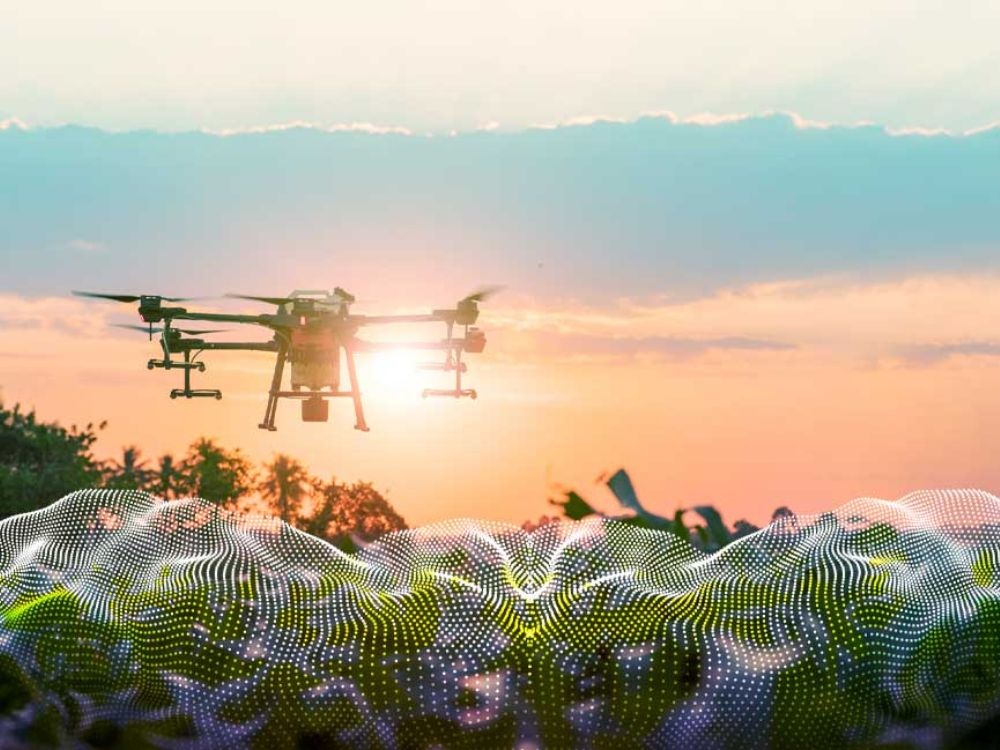
As AI technology evolves, we can expect even more advanced applications, such as drones equipped with soil sensors, machine learning models that predict long-term land degradation, and automated irrigation systems that adapt in real time to soil conditions. These innovations will not only solve salinity problems but also create new opportunities for agribusiness and environmental conservation.
Abu Dhabi’s bold step demonstrates a forward-thinking approach, proving that with the right tools, even the toughest environmental challenges can be turned into opportunities for growth and resilience.
Follow UAE Explores for more weather updates & News.