Burjeel Plans to Send First Astronaut with Diabetes to Space
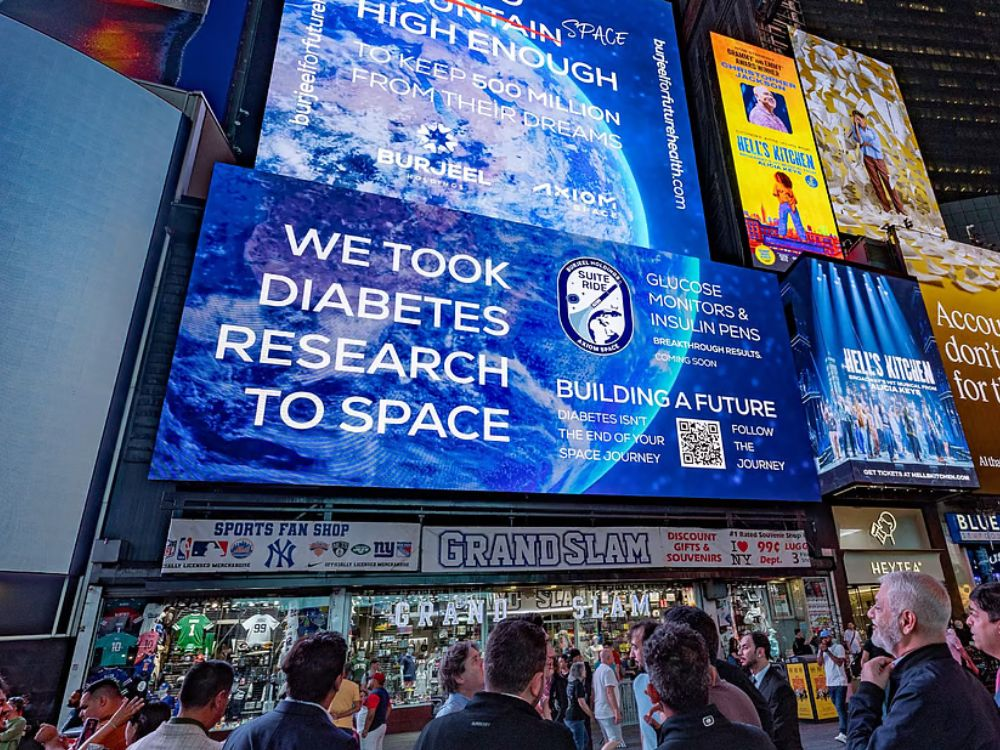
Astronaut with Diabetes: Abu Dhabi-based healthcare innovator Burjeel Holdings has announced an ambitious new goal: to fly the first astronaut with diabetes into space. Their announcement builds on the Suite Ride research project conducted during Axiom Mission 4 (Ax-4) aboard the International Space Station (ISS), which has shown that diabetes care tools used everyday on Earth can function reliably in microgravity.
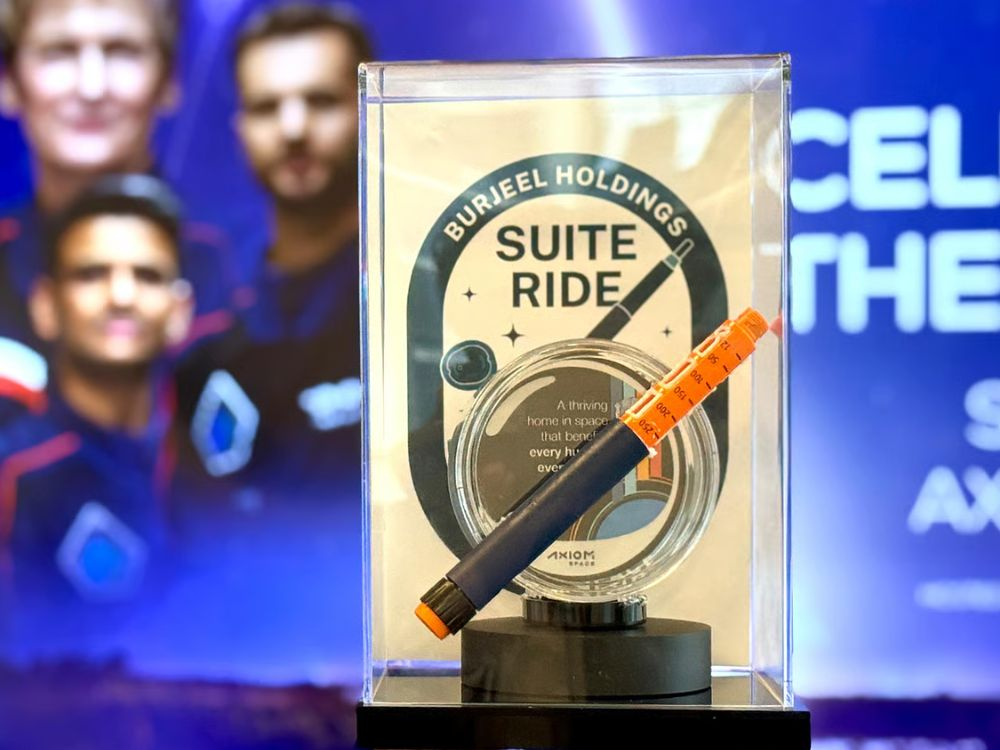
What is the Suite Ride Research?
The Suite Ride initiative, a collaboration between Burjeel Holdings and Axiom Space, tested continuous glucose monitors (CGMs) and insulin pens in microgravity. These experiments confirmed that CGMs can deliver accurate glucose readings comparable to Earth-based devices, while insulin pens maintained their reliability. These findings are key stepping stones toward sending the astronaut with diabetes safely into space.
Why Sending an Astronaut with Diabetes Is Groundbreaking
Historically, space agencies have excluded individuals with insulin-dependent diabetes (IDDM) from astronaut status. Burjeel’s research challenges that status quo. By demonstrating that standard tools can work in space, the project is helping redefine what medical conditions are considered disqualifying. Flying an astronaut with diabetes would mark a milestone, not only for space exploration but for medical inclusion globally.
The Research Mission: Key Findings & Implications
- The Suite Ride study successfully monitored glucose in space using CGMs throughout an Ax-4 mission lasting 14-18 days.
- Insulin pens tested in space held up to expectations; early signs indicate their stability and functionality under microgravity.
- Data collected in this mission has implications for remote healthcare on Earth for offshore communities, isolated regions, and medical access where conditions are harsh or infrastructure limited.
What Challenges Remain Before an Astronaut with Diabetes Flies to Space
This bold goal comes with hurdles:
Patient selection and medical clearance: Not all individuals with diabetes are the same; factors like type, control, comorbidities matter. Defining safe criteria for spacefaring diabetics is essential.
Safety and stability of insulin in space: Long-term effects, potency after exposure to radiation, temperature fluctuations, etc., need more study.
Continuous monitoring & contingency plans: Ensuring that CGMs and insulin delivery tools function flawlessly in space and that there are backup systems for device failures.
Regulatory, psychological, and human factors: Beyond hardware, training, mental preparation, and regulatory approvals are needed.
Impact Beyond the Stars: On Earth and in the UAE
The efforts to send the astronaut with diabetes aren’t just symbolic:
- They inspire people with chronic conditions and show that medical diagnoses need not define limits.
- Innovations in remote health monitoring can improve care for millions of people with diabetes worldwide.
- For the UAE, this reinforces its strengths in healthcare innovation, investment in space science, and positioning as a leader in combining medical and technology luxury.
What Burjeel Says
Burjeel and Axiom Space released the preliminary results of Suite Ride at the Burjeel Institute for Global Health in New York. The ambition to send the first astronaut with diabetes was publicly stated during that event.
Conclusion
Burjeel Holdings’ ambition to send the first astronaut with diabetes into space marks a bold new chapter in space medicine and medical inclusivity. Through the Suite Ride mission, we’ve already seen promising evidence that glucose monitors and insulin pens can survive and function in space. While many challenges lie ahead, this initiative demonstrates that barriers once thought insurmountable can be addressed with innovation, collaboration, and courage. For people living with diabetes, this isn’t just about space, it’s about redefining possibility as a whole.
Follow UAE Explores for more Science & Technology Updates.