
UAE Weather Update 2025: Surprising Rain Chances and Climate Shift Ahead
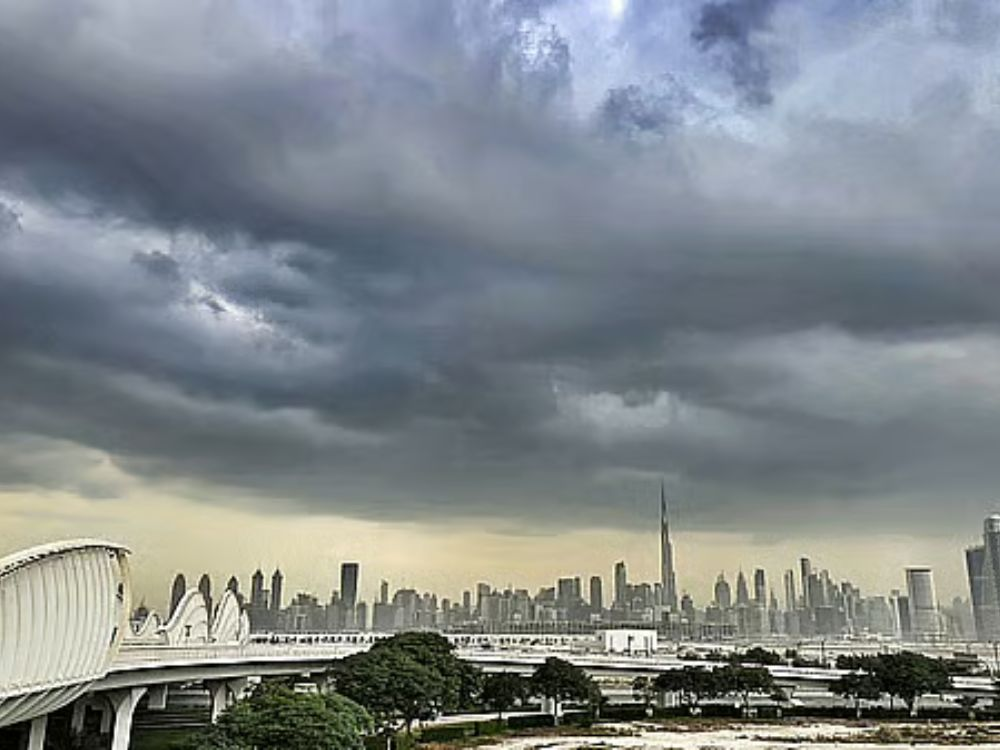
UAE Weather Update: The latest UAE weather update has caught residents’ attention as the nation braces for a possible shift in climate patterns. After months of dry, hazy conditions, meteorologists have reported a rise in humidity and cloud formation, hinting at rain chances in several parts of the country. This development marks an important moment in the transition from scorching summer to the cooler winter season that most residents eagerly await.
According to the National Centre of Meteorology (NCM), areas in Fujairah, Ras Al Khaimah, and parts of Sharjah’s eastern region could experience scattered showers in the coming days. Coastal areas like Dubai and Abu Dhabi, however, are likely to remain dry but slightly cooler, with temperatures dipping into the low 30s°C and hazy skies continuing.
Visit National Centre of Meteorology (NCM) for more details.
What the Latest UAE Weather Update Means
Meteorologists have noted the formation of convective clouds, which could trigger isolated rainfall, thunder, and gusty winds. The UAE weather update for mid-October suggests a noticeable increase in atmospheric moisture from the Arabian Sea and the Gulf of Oman, creating ideal conditions for light to moderate showers.
Daytime temperatures are expected to stay around 34°C in Abu Dhabi and 33°C in Dubai, while the mountainous and inland regions may cool faster during the evenings. Humidity levels will rise, particularly at night, potentially leading to fog formation across internal roads and highways. This atmospheric shift aligns with the seasonal transition the UAE experiences every year between October and December. During this period, pressure changes cause instability, paving the way for brief rain episodes followed by clearer skies.
What’s Behind the Changing UAE Weather
The UAE weather update indicates that several key meteorological factors are contributing to this development:
- Low-pressure troughs from the Arabian Peninsula are pulling in moisture from surrounding seas.
- Temperature gradients between inland and coastal areas create thermal differences that spark cloud formation.
- Wind convergence zones over mountainous terrain encourage the vertical lifting of air, which cools and condenses to form rain clouds.
- The introduction of artificial cloud seeding in recent years has also played a part in enhancing rainfall frequency.
According to the NCM, cloud seeding missions may be deployed when conditions are favorable. These operations help boost rainfall by dispersing salt flares into developing clouds, a practice that has become a cornerstone of the UAE’s weather-management strategy.
Impact on Residents and Daily Life
While the UAE weather update brings much-needed relief from the lingering heat, it also reminds residents to exercise caution. Sudden rain showers can make roads slippery and reduce visibility, especially on highways connecting emirates. The police have urged drivers to slow down, maintain distance, and avoid sudden lane changes during unstable weather conditions.
Outdoor enthusiasts and beachgoers are also advised to monitor weather alerts and avoid wadi areas prone to flash flooding. With increasing humidity, early morning fog remains a persistent concern for motorists. Residents in Abu Dhabi and Al Ain, in particular, may notice thicker fog layers developing before sunrise. On the positive side, these early signs of cooler weather mark the return of pleasant evenings and outdoor events. Parks, desert resorts, and family attractions are expected to see more visitors as the heat recedes.
The Bigger Climate Picture
This UAE weather update doesn’t just highlight short-term changes; it also reflects broader climatic shifts. The region’s long-term climate adaptation efforts such as water management, green infrastructure, and sustainable urban planning, aim to balance rapid growth with environmental protection.
According to environmental analysts, even minor rainfall events contribute to better air quality by reducing dust and improving overall visibility. These weather shifts also support agricultural projects and groundwater replenishment, crucial components of the UAE’s sustainability goals under Vision 2031.
Safety and Preparedness Tips
Residents can take simple steps to stay safe and comfortable during these changing weather conditions:
- Check NCM forecasts daily via their app or website for regional weather alerts.
- Avoid low-lying valleys (wadis) and flood-prone roads during rainfall.
- Secure lightweight outdoor furniture and materials that could be displaced by strong winds.
- Maintain adequate car visibility by checking headlights and windshield wipers.
- Stay hydrated even during cooler months, as humidity and mild heat can still cause dehydration.
Outlook for the Coming Week
Looking ahead, the UAE weather update suggests continued hazy skies with a chance of light rain in some northern and eastern regions. Temperatures will gradually fall over the next two weeks, signaling the start of the country’s favorite season, winter.
For most residents, this change brings anticipation of outdoor adventures, evening walks, and travel plans. Yet, meteorologists remind everyone that transitional weather can be unpredictable, so staying informed is key.
Follow UAE Explores for more Weather News & Updates.