
Dubai’s New Building Rules for Childhood Centres: A Major Upgrade
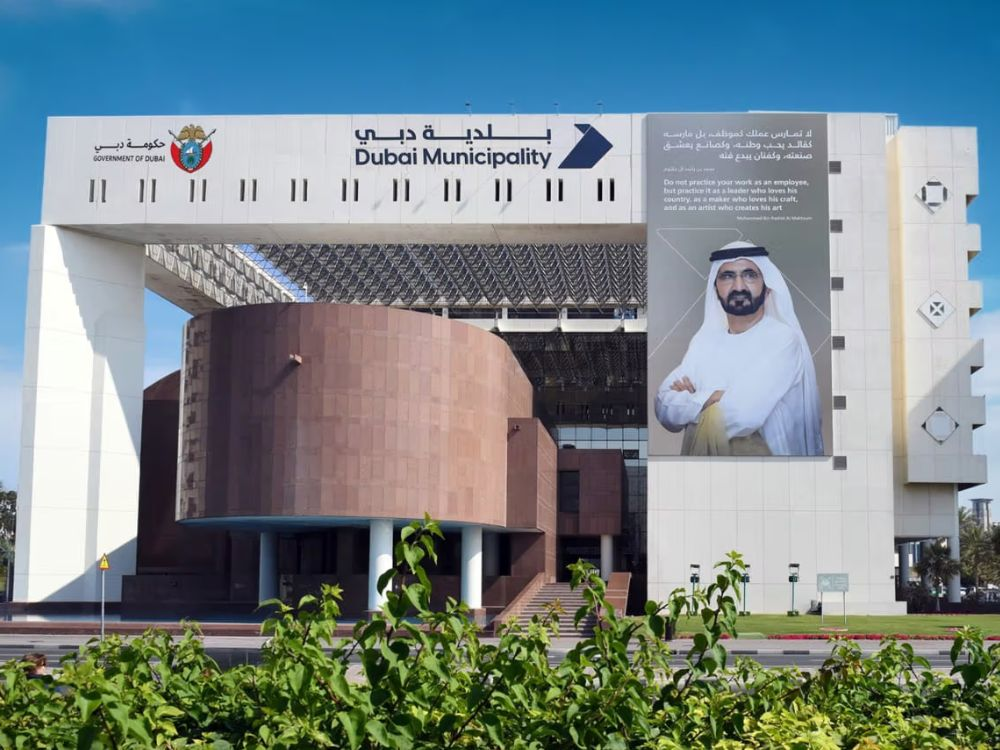
Building Rules for Childhood Centres: Dubai has taken a bold step with its building rules for childhood centres, unveiling a comprehensive planning standard designed to transform preschools, nurseries and daycare facilities in the emirate. The updated regulation, issued by Dubai Municipality, comes into effect in late 2025 and reflects the city’s commitment to modernising early-education infrastructure and aligning it with the broader Dubai Urban Master Plan 2040.
This initiative marks a significant moment for the early childhood sector, ensuring that facilities not only meet educational and child-care standards but also adhere to modern building, urban planning and sustainability norms.
Key Features of the New Building Rules for Childhood Centres
Under the revised building rules for childhood centres, several new elements stand out:
- Centres can now construct a first floor exclusively for administrative and service use, elevating operational efficiency while preserving ground-floor space for direct educational functions.
- The building coverage ratio has been adjusted, allowing up to 45 % of a plot to be covered by the structure giving developers more flexibility in layout and design.
- To ensure safety and accessibility, the rules require a minimum setback of three metres on all sides of the building.
- Parking and transportation logistics have been formalised: for example, one parking space per classroom, one space per 50 sq m of office area, and one dedicated bus space for every three classrooms.
These guidelines are designed to support educational quality, operational ease and urban integration ensuring childhood centres are not simply functional buildings but well-designed educational environments.
Why These Changes Matter
The updated building rules for childhood centres carry importance on multiple levels.
Firstly, they directly contribute to the quality of early-learning infrastructure, shaping environments that foster children’s development, safety and wellbeing. As noted by Eng. Sanaa Al Alili, Director of the Urban Planning Department at Dubai Municipality, “The new planning standard enhances the quality of educational facilities and aligns with Dubai’s vision to nurture promising future generations.”
Secondly, from an investment and operational viewpoint, these rules reduce financial burdens on operators by optimising land use and allowing expanded floor space without additional fees, a measure that encourages growth in the early-childhood sector.
Thirdly, the regulation aligns with Dubai’s vision for sustainable and integrated urban development. By tying educational infrastructure into the urban landscape, the city ensures that childhood centres are part of the community ecosystem not isolated facilities.
What Early Education Providers Need to Know
If you’re an investor or operator planning a new childhood centre in Dubai, or upgrading your existing facility, the following actions are essential under the new building rules for childhood centres:
- Review your site plan to ensure compliance with the 45 % building coverage ratio and 3-metre setback requirement.
- Adjust the design to include a ground-floor learning zone and a first floor for administrative/service functions.
- Organise parking provisions plotted according to the new ratios (parking spaces per classroom and per 50 sq m office area).
- Ensure adequate bus-space allocation if transporting children regularly (one bus space per three classrooms).
- Consult early with the Knowledge and Human Development Authority (KHDA) and related stakeholders since the new standard was developed in collaboration with KHDA and the Knowledge Fund.
By aligning early on, providers can avoid retro-fits, delays and compliance risks while delivering high-quality, future-proof facilities.
The Bigger Picture: Dubai’s Vision for Early Education
These updates to the building rules for childhood centres are part of a broader educational and urban strategy. Dubai aims to position itself as a global hub for quality education and family-friendly living. The new standard reflects three key priorities: enhancing educational environments, supporting operational efficiency, and embedding educational centres into the fabric of sustainable communities.
By setting such standards now, Dubai ensures that its early-childhood infrastructure supports the city’s growth trajectory and meets the needs of future generations.
Follow UAE Explores for more Government News & Updates.