Revolutionary Dubai Loop 2026 | Elon Musk’s Futuristic Underground Transit for the UAE
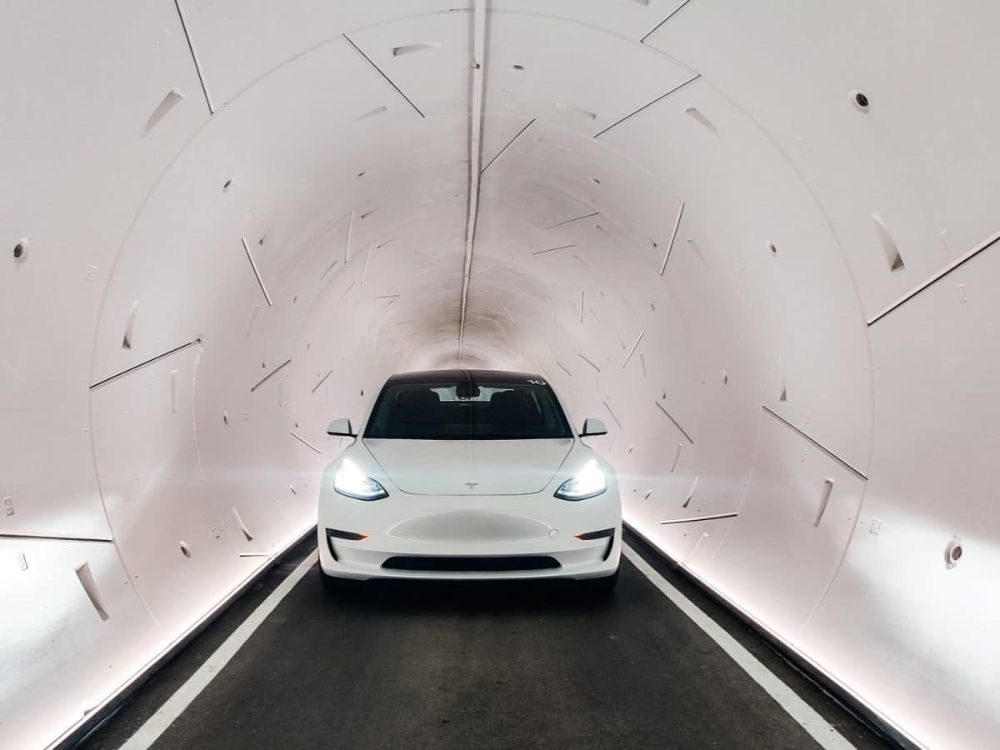
Dubai Loop, a visionary underground transport system developed in partnership between The Boring Company (founded by Elon Musk) and the Roads and Transport Authority (RTA) of Dubai, stands to redefine how the emirate moves. Announced in February 2025 during the World Government Summit, the project is targeted to begin operation by mid-2026.
The initial phase of the Dubai Loop will span approximately 17 kilometres, include 11 underground stations, and is designed to transport up to 20,000 passengers per hour.
How the Dubai Loop Will Work
Unlike conventional metro systems, the Dubai Loop concept envisions an underground network of tunnels through which electric vehicles (potentially autonomous) will travel, providing point-to-point mobility without the delays typical of surface traffic. As Musk described it: “It’s going to be like a wormhole… you just wormhole from one part of the city, boom, and you’re out in another part of the city.”
The system will operate beneath Dubai’s most densely populated corridors and is designed to be climate-resilient — protected from surface weather events, sandstorms and extreme heat.
Why the Dubai Loop Matters
- Tackling Traffic & Urban Congestion: Dubai experiences heavy surface traffic despite its high-capacity highways. The Dubai Loop seeks to offload a significant portion of commuter traffic underground, alleviating congestion and reducing travel times.
- Climate and Infrastructure Advantage: Being underground, the loop has advantages: reduced exposure to weather, efficient use of space, and potentially lower energy requirements per passenger. Musk argued that underground travel “is like being in a submarine during a storm” compared to surface roads.
- Global First Outside the U.S: Dubai will become the first city outside the United States to implement The Boring Company’s loop system — its Las Vegas iteration being the prototype. This positions the emirate as a global mobility innovator.
Project Highlights: What to Look For
- Initial length: 17 km, 11 stations for phase one.
- Capacity (phase one): Up to 20,000 passengers per hour.
- Speed: Electric vehicles through tunnels at high speeds (some sources cite up to 160 km/h).
- Timeline: Target operational start is Q2-2026.
Challenges and Considerations
Engineering Complexity: Tunnelling beneath a fast-growing city requires advanced excavation, safety protocols (ventilation, flood-protection) and integration with existing infrastructure.
- Scaling Up: While 20,000 passengers/hour is significant, future expansions may aim toward 100,000/hour-capacity systems.
- Adoption & Integration: Ensuring a smooth user experience, ticketing integration, vehicle reliability and station access is critical for widespread adoption.
- Cost and Timeline Risk: Ambitious projects often face delays and cost escalations. Monitoring the project’s progress will be important.
Impact on Residents, Businesses & Visitors
For residents, the Dubai Loop means shorter commutes, smoother connectivity between key districts and potential property-value uplift along the corridor. Businesses can benefit from improved logistics, faster access and an enhanced transport ecosystem. For international visitors, the system reinforces Dubai’s image as a technologically advanced, future-ready city where mobility is seamless and modern.
For the latest official details on the Dubai Loop read Gulf News – Elon Musk’s Dubai Loop project to be operational by mid-2026
Final Thoughts: A Future-Forward Transport Vision
The Dubai Loop is more than a tunnel, it’s a statement of intent. With Elon Musk’s partnership and Dubai’s appetite for innovation, the project embodies the city’s ambition to leapfrog traditional transit models. If Phase 1 meets its 2026 target, Dubai will chart a new course in urban mobility.
Whether you’re a resident, investor, commuter or visitor, the message is clear: change is coming underground.
Follow UAE Explores for more Transportation News & Updates.