Sharjah Organic Wheat Production 2025: A Desert to Crop Success Story
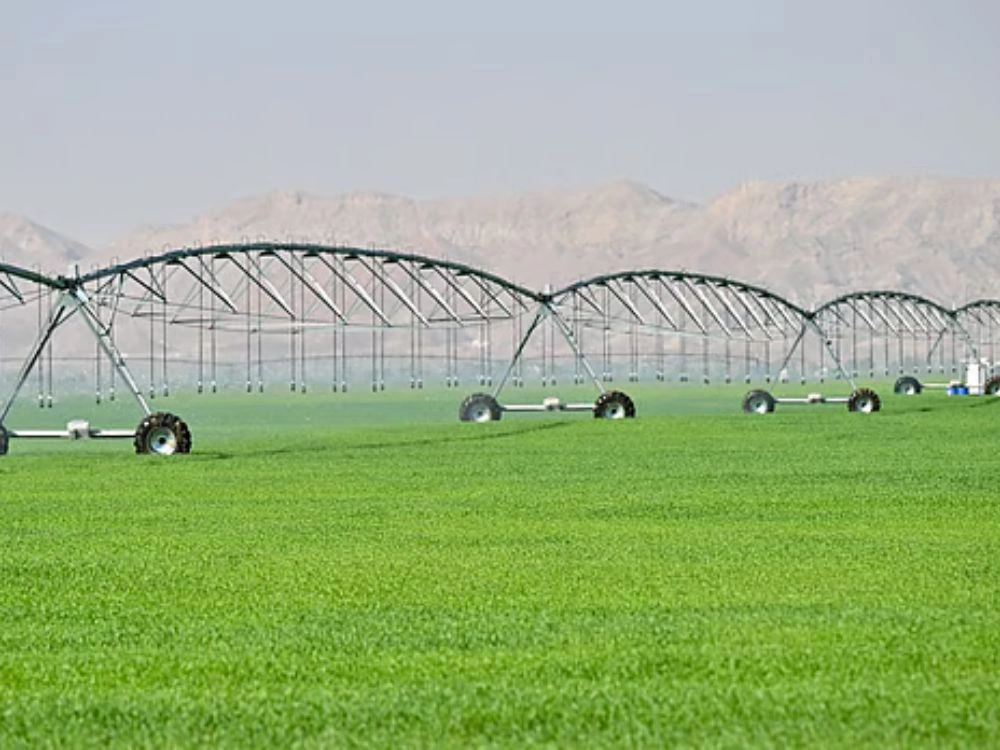
Sharjah Organic Wheat Production: The story of Sharjah organic wheat production is nothing short of extraordinary. In the heart of the emirate, a huge agricultural initiative at the Mleiha farm is proving that desert land can yield not just crops but premium quality wheat. The initiative, driven by innovation and sustainability, marks a significant step for the UAE’s food security and agriculture sectors.
From Barren Desert to Green Fields
What makes this achievement remarkable is the context. The farm spans some 1,428 hectares (with plans for up to 1,900 ha) in Mleiha, previously considered unusable desert terrain. Using advanced irrigation systems, ground sensors, and other agri-tech, the project has transformed arid land into productive fields, all while saving resources.
The wheat grown here, branded as “Saba Sanabel” (Seven Spikes), is reported to be fully organic, grown without synthetic fertilizers, pesticides or GMOs making it the first of its kind in the Middle East.
Record-Breaking Quality & Nutrition
Sharjah organic wheat production isn’t just about quantity, it’s about quality. The latest harvest has delivered wheat with a protein content of 19.3 %, the highest recorded globally for wheat varieties.
This exceptional nutrition value is the result of rigorous strain selection (over 1,450 strains tested), hybridization, and the organic farming system that improves soil fertility naturally. For consumers, this translates into flour, pasta, biscuits and bread made from premium ingredients. Recently, Sharjah launched an organic pasta line using this wheat.
Sustainability & Food Security in Focus
The initiative is part of Sharjah’s broader agenda to bolster food security, reduce dependence on imports and develop climate-smart agriculture. The farm uses an intelligent irrigation system that draws on real-time data, soil moisture sensing and 30 % less water usage than conventional farming.
The project also supports local farmers: this season grants provided 25 tonnes of premium seed to 559 farmers, enabling them to join the organic wheat production chain. By producing some 6,000 tonnes this season and targeting an annual output of 15,200 tonnes, Sharjah’s organic wheat production is helping meet local demand and reduce imports.
Economic and Market Impacts
The premium quality of the wheat has market implications. The “Saba Sanabel” brand now carries the “Made in the UAE” label and multiple international certifications, boosting competitiveness and export potential.
Products such as flour and organic pasta made from this wheat are already available through Sharjah Cooperative and national outlets. For Sharjah, this means an opportunity to not just cultivate wheat but to develop a value-chain: from organic farming to processing to branded consumer goods enhancing local industry and employment.
Addressing Challenges & Charting the Future
While the progress is impressive, Sharjah organic wheat production project also faces challenges:
- Scaling sustainably while maintaining quality and organic certification
- Water sourcing and long-term resource management in a desert environment
- Ensuring affordability and market access for local producers
- Continued investment in research, new strains (e.g., “Sharjah 1”) and climate resilience
Nevertheless, the model offers a blueprint for desert agriculture globally proving that even harsh landscapes can support high-value crops with the right technology and vision.
What Consumers Can Expect
For residents and organic-food buyers, the benefits of Sharjah’s initiative are tangible:
- Locally produced organic flour and wheat-based products, reducing reliance on imports
- High-protein wheat varieties contributing to better nutrition
- Transparent, certified products with environmental credentials
- Support for the UAE’s food-security and sustainability goals
Next time you pick up a packet of “Saba Sanabel” pasta or flour, you’ll be holding something grown in the desert, harvested with precision, and processed with premium standards, a story of innovation, research and local production.
Visit WAM for more information.
Sharjah organic wheat production Conclusion
Sharjah organic wheat production is an example of ambition, technology and sustainability coming together. From transforming desert land into a thriving organic farm to delivering wheat with unmatched nutrition and forging local industry, the project encapsulates the future of UAE-agriculture.
The focus on Sharjah organic wheat production tells a broader story: one of self-reliance, innovation and delivering value not just to local consumers but to the global agricultural community. As the harvest continue, Sharjah cements its role as a leader in food security and sustainable farming in the Middle East.
Follow UAE Explores for more News & Updates.