Dubai First Air Taxi Flight 2025: Soaring into the Future of Urban Travel
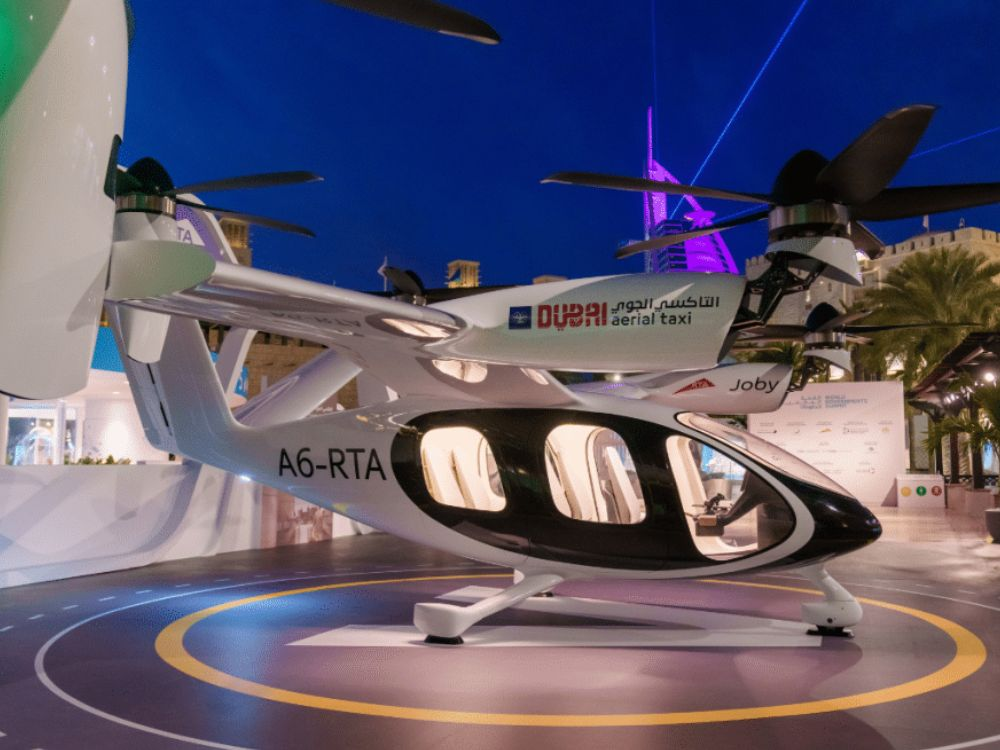
Dubai First Air Taxi Flight 2025: Dubai has done it again pushing the boundaries of innovation with the Dubai first air taxi flight, marking a transformative moment in global transport history. On 11 November 2025, the skies above the emirate saw the successful take-off of Joby Aviation’s electric vertical take-off and landing (eVTOL) aircraft, witnessed by dignitaries, engineers, and aviation experts. This milestone showcases Dubai’s readiness to lead the world in urban air mobility, aligning with the city’s ambition to become the world’s smartest and most connected metropolis.
The Dubai first air taxi flight took place between Margham and Al Maktoum International Airport, demonstrating the advanced capabilities of the eVTOL craft. With a sleek design, all-electric propulsion, and zero carbon emissions, it represents the next big leap in eco-friendly transport. Hosted in the lead-up to the Open Masters Games Abu Dhabi 2026, the initiative is a powerful blend of wellness, community pride and ambition, encapsulating the theme: “Every Step Makes a Difference.”
A Vision for Futuristic Mobility
The Dubai first air taxi flight is more than just a technological showcase, it’s a vision of the future taking flight. Dubai’s Roads and Transport Authority (RTA), in partnership with Joby Aviation and Skyports Infrastructure, is spearheading the development of a fully functional aerial taxi service expected to launch commercially in early 2026.
This bold initiative supports Dubai’s Smart Mobility Strategy, which aims to make 25% of all transportation journeys autonomous by 2030. With air taxis in the mix, residents could soon fly from Dubai International Airport (DXB) to Palm Jumeirah in under 10 minutes, a trip that currently takes nearly 45 minutes by road.
Inside the Technology of the Dubai First Air Taxi Flight
The aircraft used for the Dubai first air taxi flight is designed for safety, performance, and sustainability. It can accommodate one pilot and up to four passengers, with a range of 160 km and a top speed of 320 km/h. The eVTOL aircraft operates on electric batteries, ensuring zero direct emissions and near-silent flight making it far quieter than traditional helicopters.
The RTA has already started building the first vertiport near DXB Airport, which will connect key locations such as Downtown Dubai, Dubai Marina, and Palm Jumeirah. These vertiports will allow seamless connections between air taxi rides, the Metro, buses, and other modes of transport.
Why the Dubai First Air Taxi Flight Is a Game-Changer
The Dubai first air taxi flight represents a shift from concept to reality, a future where traffic congestion may soon be a thing of the past. The benefits extend across several dimensions:
- Reduced Travel Time: Commuters can save hours daily, with travel times between major destinations slashed by up to 75%.
- Sustainability: Fully electric and emission-free, it aligns perfectly with the UAE’s Net Zero 2050 strategy.
- Tourism Appeal: The futuristic appeal of air taxis adds to Dubai’s reputation as the world’s most forward-thinking tourist destination.
- Economic Boost: New job opportunities will emerge in maintenance, aviation technology, and air-mobility management.
As RTA officials noted, the success of the Dubai first air taxi flight confirms that the technology is ready to safely integrate into Dubai’s transport ecosystem setting the stage for commercial operations in the coming year.
Public Response and Next Steps
The news of the Dubai first air taxi flight has sparked excitement across social media and the global transport community. Residents have expressed optimism about reduced traffic congestion and quicker commutes, while experts view it as a foundation for scaling autonomous aerial transport across the UAE.
In the coming months, regulatory frameworks, safety protocols, and pilot training programs will be finalized. The next step involves public demonstration flights and gradual integration of the service for limited routes. Dubai’s RTA aims to expand its vertiport network beyond four initial hubs, connecting urban and suburban zones efficiently. The air taxi service is expected to integrate advanced AI-based scheduling and digital booking systems for a seamless passenger experience.
Challenges Ahead
While the Dubai first air taxi flight marks a historic success, there are still challenges to overcome:
- Ensuring large-scale safety certification for eVTOL aircraft.
- Managing air-traffic coordination between drones, helicopters, and taxis.
- Setting competitive pricing to ensure accessibility for residents.
- Building public confidence in autonomous and electric aviation technology.
Despite these hurdles, the government remains confident that Dubai will be among the first cities globally to implement commercial aerial taxi services on a full scale.
Conclusion
The Dubai first air taxi flight stands as a symbol of the UAE’s relentless pursuit of progress. By combining sustainability, technology, and convenience, Dubai is not just embracing the future, it’s defining it. The skies above the city are no longer just for planes; they are the next frontier of smart urban living.
Follow UAE Explores for more Transportation News & Updates.