
UAE Work‑Life Balance Policies 2025: Key Labor Law Reforms Empowering Workers
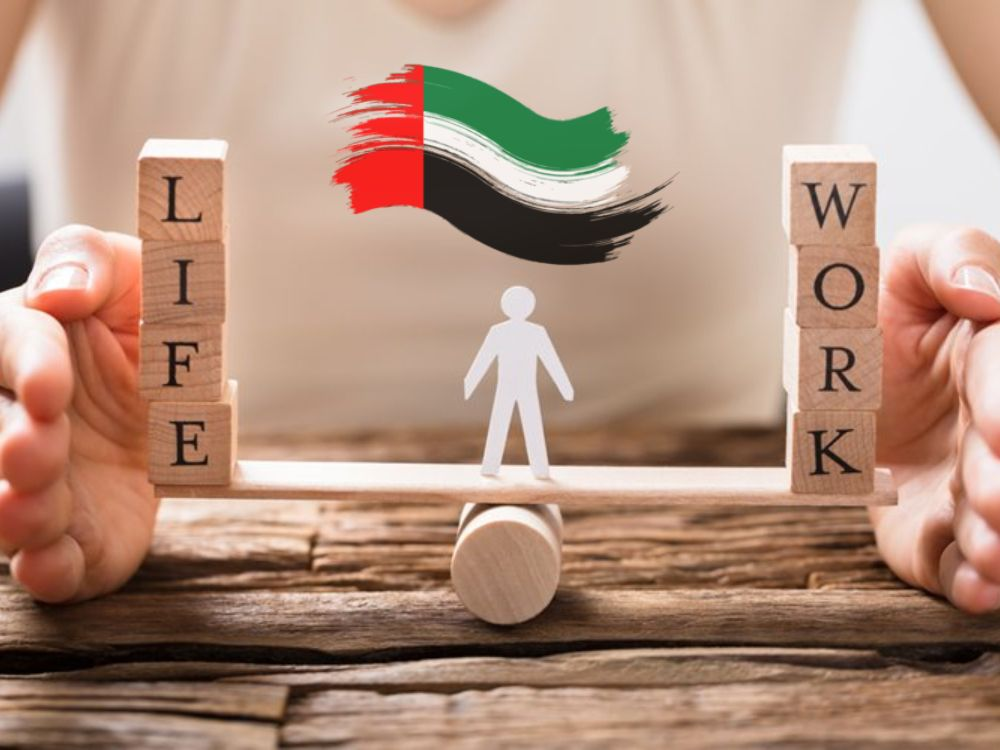
UAE work Life Balance Policies are undergoing a major shift in 2025, with new labor law reforms that emphasize flexibility, protection, and employee wellbeing. These changes reflect the UAE’s commitment to modernizing its workforce and aligning with global standards, all while catering to the diverse needs of its multinational population.
Under the updated legislation, the concept of a rigid 9‑to‑5 workday is being rethought. The labor law now supports multiple work models, full-time, part-time, flexible, hybrid, and even remote working offering employees and employers the freedom to choose arrangements that suit both productivity and personal life. Federal entities in particular can now adopt hybrid systems, allowing part of the work to be done remotely, in agreement with employers.
UAE work life balance Policies: Flexible Work Models
One of the standout UAE work life balance policies is the formal recognition of part-time work. The Federal Authority for Government Human Resources (FAHR) has issued a guideline to regulate part-time employment across federal entities, ensuring clarity on how wages, leave, and promotions work for employees under this model.
This flexibility is especially valuable for those who need to balance work with family, study, or other commitments. It also encourages more inclusive employment by supporting people who may not want or be able to commit to full-time roles.
Working Hours, Overtime & Ramadan Adjustments
Under the new law, the standard workweek in the UAE remains capped at 48 hours (8 hours/day), with specific provisions for overtime and rest. Employees may work up to two extra hours per day, but overtime pay must be at least 125% of the normal wage rising to 150% for night shifts or public holidays.
During Ramadan, the UAE’s labor reforms continue to support work-life balance: working hours are reduced by 2 hours per day for Muslim employees, without any deduction in pay.
Leave Entitlements & Employee Wellbeing
Robust leave policies are central to the UAE’s efforts to support a healthier work-life balance. According to 2025 updates:
- Employees are entitled to 30 calendar days of paid annual leave upon completing a year of service.
- Sick leave is extended to up to 90 days: 15 days fully paid, 30 days at half pay, and the rest unpaid if needed.
- Maternity leave is 60 days (45 fully paid, 15 at half pay), while paternity leave is 5 days both helping families balance work and personal responsibilities.
- These entitlements help ensure that workers can rest, recover, or spend time with family without sacrificing their financial security.
Remote Work & Hybrid Arrangements
Recognizing the evolving nature of work, the UAE’s 2025 labor reforms formally acknowledge remote work. Under the new regulations, employers and employees can agree on hybrid or remote work models, which gives flexibility while maintaining job security and legal entitlements.
For federal employees, the law even allows a compressed workweek, such as finishing the required hours in fewer days with longer workdays. This flexibility helps reduce commuting time, stress, and work overload, all key for better work-life balance.
Part-Time Work & Work Sharing
In a major boost for flexibility, the FAHR’s part-time model provides a clear legal structure for part-time workers. This policy defines pro-rated wages, leave, and benefits making it easier for employees to find work arrangements suited to their lifestyles, while also encouraging employer accountability.
This model is particularly beneficial for students, parents, or anyone who prefers a reduced schedule without sacrificing legal protections or career development.
Why These Policies Support Work‑Life Balance
- Flexibility: With part-time, hybrid, and remote work models, employees can better align their professional responsibilities with personal needs.
- Fair Compensation: Overtime pay and defined leave entitlements protect workers financially while ensuring rest.
- Inclusivity: Policies support a range of employment types from full-time to part-time and flexible for more people to participate in the workforce.
- Wellbeing: Restorative leave and reduced hours during Ramadan help prevent burnout and support mental and physical health.
- Legal Protection: The consistent enforcement of labor laws, including wage protection and contract clarity, gives employees confidence and security.
Challenges & Opportunities Ahead
While the UAE work life balance policies mark significant progress, there are still challenges:
- Implementation Gaps: Some employers may struggle with compliance or fail to fully adopt flexible models.
- Awareness: Employees need clearer communication about their rights under new labor provisions.
- Overtime Pressure: Even with limits, some workers continue to report excess hours in practice.
- Cultural Change: A shift to modern work models requires cultural adjustment in traditionally structured workplaces.
On the opportunity side, these reforms encourage innovation in HR practices, boost retention, and position the UAE as a destination for talent that values flexibility and well‑being.
Read more on UAE work life balance policies: FAHR Guidelines on Part-Time Work – UAE Government
Conclusion
The UAE work life balance policies introduced in 2025 represent a powerful shift in labor regulation, one that values flexibility, wellbeing, and fairness. By embracing hybrid work, defining leave entitlements, and ensuring legal protections, the UAE is creating a future where work is adaptable without compromising on rights. These policies not only support a happier, more productive workforce, but also strengthen the country’s leadership in modern employment standards.
Follow UAE Explores for more News & Updates.