
Monthly Rent Payment in UAE: A Shift Reshaping the Rental Market
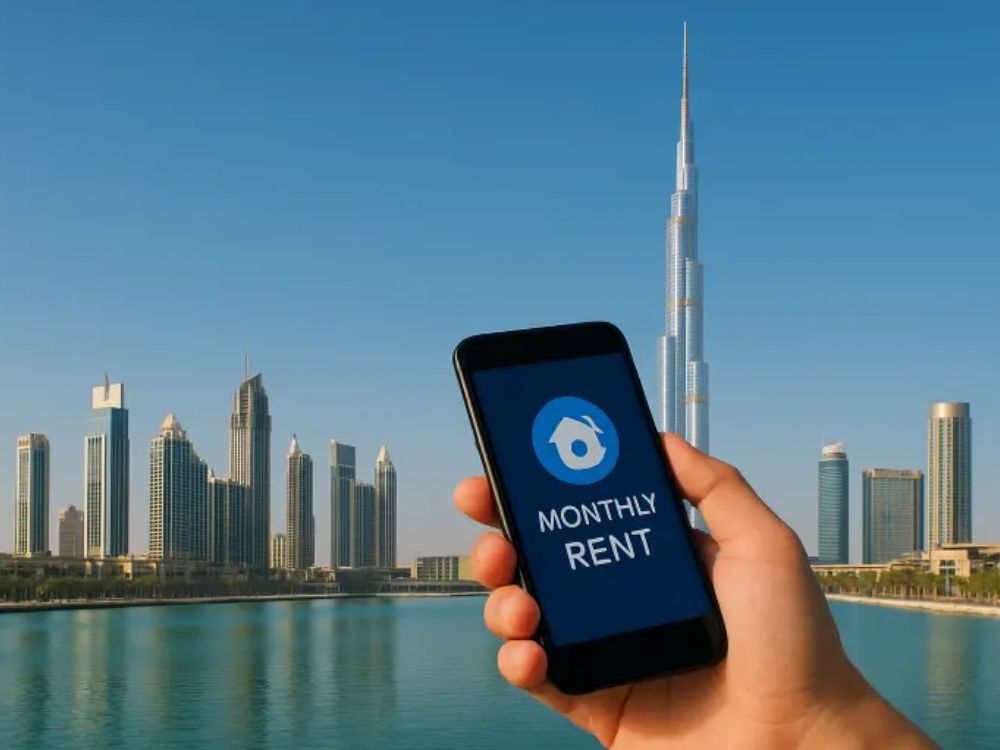
Monthly Rent Payment in UAE: For decades, tenants in the UAE were accustomed to handing over one to four post-dated cheques or a lump-sum for a full year of rent. But now, the monthly rent payment in UAE is rapidly becoming a mainstream alternative and that shift is poised to reshape how millions manage their housing costs.
Spurred by new fintech solutions, changing tenant preferences and evolving landlord acceptance, this trend offers more flexibility and predictability, especially for expatriates, young professionals, and anyone who prefers budgeting monthly instead of upfront financial pressure.
What’s Driving the Shift to Monthly Rent Payment in UAE
- Tenant Demand for Flexibility: Many renters have long struggled with the burden of large upfront payments, especially when relocating or during lease renewals. Monthly payment plans ease this pressure by aligning rent cycles with payroll schedules. According to industry reports, tenants increasingly prefer monthly installments over traditional cheque payments.
- Platforms like Property Finder and Keyper are leading this change. A recent partnership between them will offer a fully integrated rent-in-instalments option across the UAE, allowing tenants to pay via card or direct debit.
- Growing Landlord and Market Acceptance: Landlords especially property managers and larger landlords are beginning to accept monthly payments as a viable option, recognizing that it reduces the risk of bounced cheques and improves consistency in cash flow.
Moreover, in competitive rental markets, offering flexible payment options helps landlords attract and retain tenants who might otherwise struggle with upfront costs.
Market Maturity and Regulatory Support
This shift of Monthly Rent Payment in UAE also aligns with broader rental-market reforms and digital innovations. As the UAE housing sector modernizes, introducing monthly payments is seen as a step toward aligning with global standards and improving accessibility for residents.
What Monthly Rent Payment Looks Like in Practice
In the new model:
- Tenants sign a standard yearly lease, but choose to pay via 12 monthly instalments instead of one to four post-dated cheques.
- Payment can be made through credit/debit card, direct debit, or digital wallet often automated for convenience.
- Behind the scenes, platforms like Keyper may pay the landlord the full yearly rent upfront, while tenants repay the platform monthly, sometimes with a small convenience fee.
- For tenants, this offers cash-flow stability; for landlords, it ensures timely payment and reduces default risk.
- Some landlords still prefer fewer cheques or lump-sum payments especially in high-demand areas, but the monthly option is gradually expanding as more units and landlords adopt it.
Market Trends & Data from 2025
Analysts expect full adoption of monthly rent payment across many listings by early 2026, although traditional cheque-based leases will continue alongside.
As of late 2025, property-tech firms say they’ve already processed billions of dirhams in rental demand through monthly-payment plans, a sign the trend is gaining momentum. Despite some areas seeing stabilization or even slight decreases in average rents, the convenience and financial predictability of monthly payments make renting more manageable for many households.
What It Means for Tenants, Landlords & the Future
For Tenants
- Lower upfront financial burden easier relocation and budgeting
- Better cash-flow management over the year
- More financial flexibility for young professionals, families, and new arrivals
For Landlords & Property Managers
- More stable and predictable rental income
- Reduced risk of default or bounced cheques
- Ability to attract a wider pool of tenants
- Potential to offer value-added services and flexible lease terms
For the UAE Housing Market
- Alignment with global rental standards increases attractiveness to expatriates and global workforce
- Supports overall financial inclusivity and reduces barriers to housing
- Pushes the market toward more digital, transparent, and efficient rental practices
Challenges and Considerations
Monthly-payment models sometimes come with a convenience or service fee, which may increase the yearly cost compared to traditional payment plans. Tenants should evaluate total cost vs convenience.
Not all landlords or properties may accept monthly instalments, especially premium or high-demand properties that still prefer lump-sum or fewer-cheque payments.
As the system rolls out, there may be teething issues: onboarding, payment processing, contract standardization but over time, increased adoption should mitigate these challenges.
Read report on real estate market stabilization and evolving rent trends in Dubai & UAE
Conclusion: Monthly Rent Payment in UAE | A Modern Era of Flexibility
The rise of monthly rent payment in UAE represents a major transformation in how people pay for housing. It’s not just a new payment option, it’s a shift toward financial flexibility, convenience, and modernization of the rental market.
As the country moves closer to city-state standards seen in global cities, this trend offers relief to tenants, stability to landlords, and a more inclusive market overall. By early 2026, monthly payment options may well become standard practice across many UAE emirates marking a significant step forward in the evolution of the nation’s housing landscape.
Whether you’re a long-term resident or new to the UAE, understanding and embracing this trend can help you navigate rent payments more smartly and align with the changing rental culture.
Follow UAE Explores for more Real estate News & Updates.