UAE Updates Organ Transplant Law: What the 2025 Reform Means
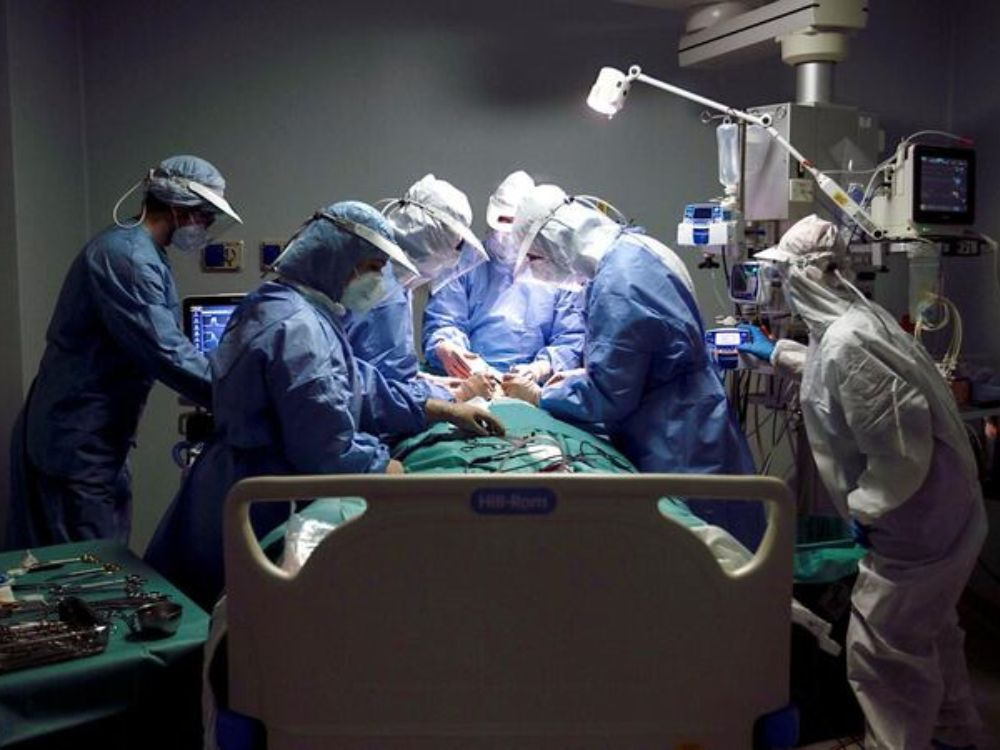
UAE Updates Organ Transplant Law: On December 10, 2025, the UAE government passed a sweeping reform: UAE updates organ transplant law in a landmark move that expands the country’s medical possibilities, updates safety protocols, and allows under strictly regulated conditions, the use of non-human organs and tissues for transplantation.
The amendments mark the biggest update to the legislation governing donation and transplantation since earlier versions. Renamed now “Concerning the Donation and Transplantation of Organs and Tissues,” the law aligns UAE health regulations with cutting-edge biomedical advances and global ethical standards.
Additional official insights into UAE Health and Fitness steps can be found at MOHAP.
What’s New: Non-Human Organs, Rigorous Oversight & Legal Clarity
Expansion to Animal-Derived and Manufactured Organs
One of the biggest updates: the law now permits transplantation of “non-human organs and tissues” this includes animal-derived organs and lab-manufactured (e.g. 3D-bio-printed) tissues but only when they are medically deemed “the most suitable option” for the patient.
Strict Licensing, Testing, and Consent Requirements
- To use these organs, a strict regulatory framework is now mandatory. That includes:
- Licensing and accreditation of manufacturing entities and transplant facilities.
- Full clinical and laboratory testing of organs to confirm safety, compatibility, and efficacy before transplantation.
- Mandatory informed consent: patients or legal guardians must receive a comprehensive explanation of potential health outcomes known and hypothetical and sign a consent document.
National Registry & Transparency
A new national database will log every transplanted non-human organ/tissue’s biological data, trial outcomes, and patient follow-ups. This promotes transparency and long-term monitoring of medical outcomes.
Heavy Penalties for Violations
To prevent misuse or unsafe practices, the updated law imposes strict penalties. Entities or individuals violating regulations e.g. unauthorized organ transplants or illegal organ trade could face fines between AED 100,000 and AED 2 million and possible imprisonment.
Why the Reform Matters: Meeting Demand & Advancing Medical Science
The update comes amid growing global pressures and local needs. Organ failure patients often face long waiting lists, and compatible human organs are in short supply worldwide. By permitting controlled use of non-human and manufactured organs, the UAE aims to significantly widen the treatment options, a potential lifesaver for patients with rare conditions or extended wait times.
Moreover, the reform positions the UAE as a regional pioneer in advanced biomedical treatments. By adopting global best practices from stringent testing to ethical consent protocols, the country ensures that innovation does not come at the cost of patient safety or medical ethics.
This legislative update also strengthens and builds upon earlier reforms: since 2017, under the national Hayat Programme, the UAE has successfully conducted hundreds of human organ transplants, saving thousands of lives.
How the New Rules Work in Practice as UAE Updates Organ Transplant Law
Here’s a simplified look at how a transplant with non-human/minimally-manufactured organ might proceed under the new law:
- Patient’s doctor evaluates options and concludes non-human organ is medically justified
- Healthcare facility and manufacturer verify organ/tissue meets regulatory and compatibility requirements
- The patient (or legal guardian) receives full disclosure of risks/benefits and signs informed consent
- Transplant committee reviews and approves the procedure
- Hospital performs transplant following strict safety standards
- Entire procedure, follow-up and outcomes are recorded in the national registry
At each step, paperwork, licensing, safety protocols, and follow-up are mandatory, reflecting the high standards set by the updated law.
What UAE Updates Organ Transplant Law Means for Patients & Donors in UAE
- For patients: this reform offers renewed hope, especially for those with organ failure who may have been on long waitlists. It means that timely transplants, potentially with bio-engineered organs, may become a viable option.
- For donors and families: the government maintains and continues supporting traditional human organ donation programs (like Hayat), which remain essential for transplants. The new law does not replace human donation; it supplements it where medically appropriate.
Healthcare providers and hospitals will need to adapt quickly, obtaining licences, updating protocols, and ensuring staff training to handle the new categories of transplants. Finally, from a societal perspective, this puts the UAE at the forefront of medical innovation and could set regional benchmarks for ethical, safe and advanced organ transplantation.
Final Thoughts on UAE Updates Organ Transplant Law
With UAE updates organ transplant law, the country is entering a new era of biomedical innovation, one that embraces cutting-edge science while safeguarding ethical medical practices and patient safety. For people in need of life-saving transplants, for medical professionals, and for the broader global health community, this law is a powerful signal that the UAE is committed to pushing boundaries responsibly, transparently, and with humanity at the core.
Follow UAE Explores for more Health related News & Updates.