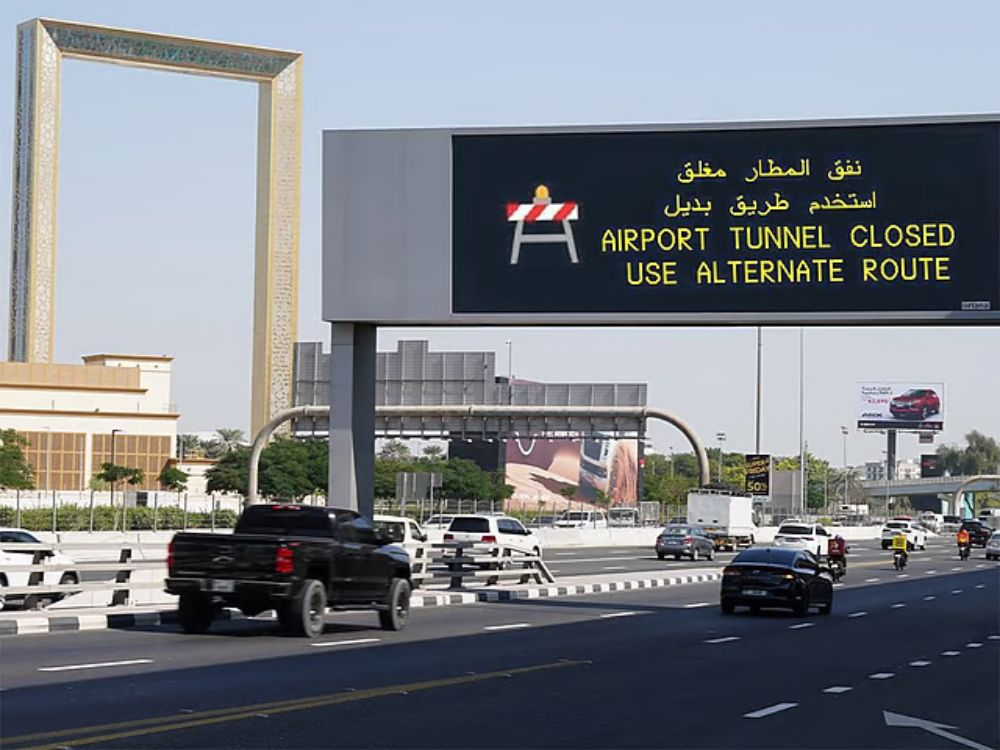
RTA Introduces Drone Technology for Traffic Signal Maintenance in Dubai
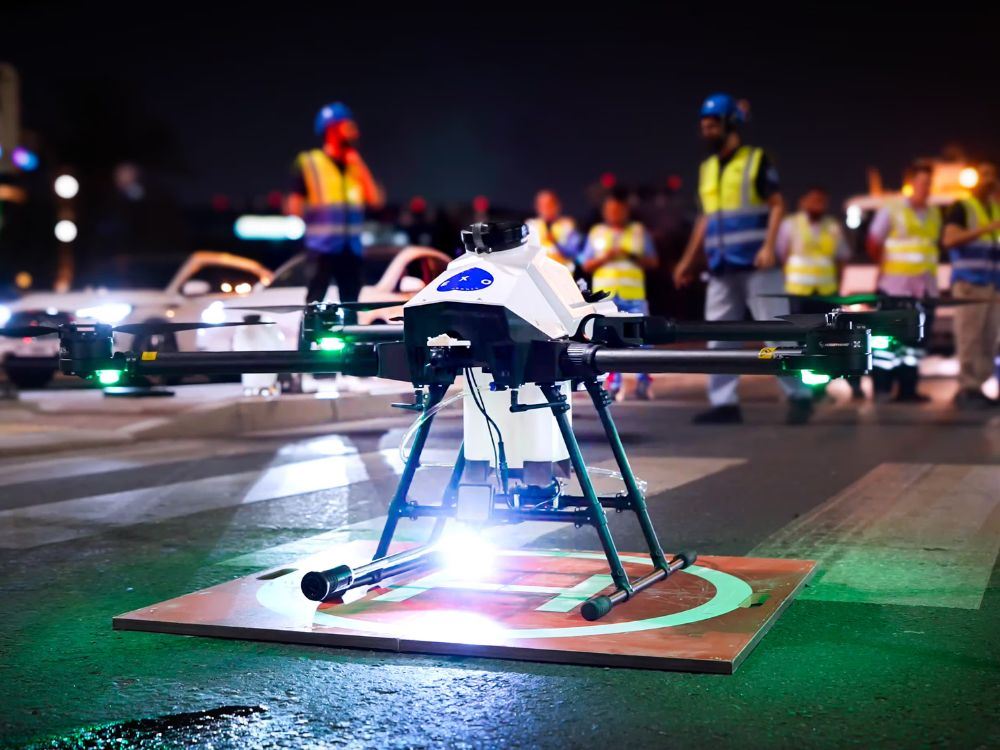
RTA Drone Technology for Traffic Signal Maintenance: Dubai has taken another significant step toward becoming one of the world’s smartest cities with the Roads and Transport Authority (RTA) introducing drone technology for traffic signal maintenance. This innovative move reflects Dubai’s commitment to adopting advanced technologies that enhance efficiency, safety, and sustainability across its transport infrastructure.
By deploying drones to inspect and maintain traffic signals, the RTA aims to reduce manual intervention, minimize road disruptions, and ensure faster detection of faults. The initiative aligns with Dubai’s broader smart mobility and digital transformation strategies, reinforcing its position as a global leader in intelligent transport solutions.
How RTA Drone Technology Is Changing Traffic Signal Maintenance
Traditionally, traffic signal inspections required maintenance teams to physically access signal poles, cabinets, and wiring systems. This often involved lane closures, traffic diversions, and safety risks for workers. With the introduction of drone technology, RTA can now conduct aerial inspections without interrupting traffic flow.
Equipped with high-resolution cameras and advanced sensors, drones can closely examine signal heads, wiring connections, control boxes, and structural components. These real-time visuals allow engineers to identify issues such as damaged lenses, loose cables, corrosion, or alignment problems much more efficiently than before.
Enhancing Road Safety and Operational Efficiency
One of the primary benefits of using drone technology for traffic signal maintenance is enhanced road safety. Maintenance crews no longer need to work close to moving traffic or at elevated heights, significantly reducing occupational risks.
At the same time, the RTA benefits from faster response times. Drones can be deployed within minutes to inspect reported faults or conduct routine checks, allowing maintenance teams to address problems before they escalate into signal failures or traffic congestion. This proactive approach helps ensure smoother traffic movement across D
RTA Drone Technology and Dubai’s Smart City Vision
The deployment of drones for infrastructure maintenance is closely aligned with Dubai’s Smart City vision and its ambition to integrate artificial intelligence and automation into public services. RTA’s initiative complements other smart transport solutions already in place, such as AI-powered traffic control systems, smart pedestrian signals, and real-time traffic monitoring platforms.
By combining drone-captured data with existing traffic management systems, RTA can gain deeper insights into infrastructure performance. Predictive maintenance becomes possible, enabling authorities to schedule repairs based on data trends rather than waiting for breakdowns.
Environmental Benefits of RTA Drone Technology
Road closures and maintenance-related congestion are major challenges in large cities. Drone-based inspections significantly reduce the need for temporary lane closures, leading to smoother traffic flow and less frustration for road users.
Additionally, fewer maintenance vehicles on the road mean lower fuel consumption and reduced carbon emissions. This supports Dubai’s sustainability goals and contributes to cleaner urban mobility. The initiative demonstrates how technology can deliver both operational efficiency and environmental benefits simultaneously.
Advanced Technology Behind the Drones
The drones used by RTA are equipped with high-definition imaging systems capable of capturing detailed visuals even in low-light conditions. Some models also feature thermal imaging to detect overheating components or electrical irregularities that are not visible to the naked eye.
Data collected by drones is transmitted securely to RTA control centers, where engineers analyze the footage and generate maintenance reports. This digital documentation improves record-keeping, accountability, and long-term infrastructure planning.
Training and Regulatory Compliance
To ensure safe and effective operations, RTA has trained specialized teams to operate drones in compliance with UAE aviation and safety regulations. Flights are carefully planned to avoid interference with traffic, pedestrians, and surrounding infrastructure.
The initiative also reflects strong coordination between transport authorities and aviation regulators, ensuring that drone operations support public safety while maximizing technological benefits.
Setting a Benchmark for Smart Transport Globally
Dubai’s adoption of drone technology for traffic signal maintenance sets a benchmark for cities worldwide. As urban populations grow and transport networks become more complex, innovative maintenance solutions are essential to keep infrastructure reliable and efficient.
By embracing drones, RTA demonstrates how emerging technologies can modernize essential services, reduce costs, and improve quality of life for residents and visitors alike. The initiative further strengthens Dubai’s reputation as a testing ground for future-ready urban solutions.
Visit Roads and Transport Authority Dubai official website RTA for official updates.
Future Applications of RTA Drone Technology in Dubai
The success of drone-based traffic signal inspections may pave the way for broader applications across Dubai’s transport network. In the future, drones could be used to inspect bridges, road surfaces, tunnels, and street lighting systems, creating a fully integrated smart maintenance ecosystem.
As RTA continues to innovate, initiatives like this highlight a shift toward predictive, data-driven infrastructure management. The use of drone technology not only improves today’s operations but also lays the foundation for a safer, smarter, and more resilient transport system in Dubai.
Follow UAE Explores for more Transportation related News & Updates.