
Abu Dhabi AI Diabetes Prediction: A New Frontier in Preventive Health
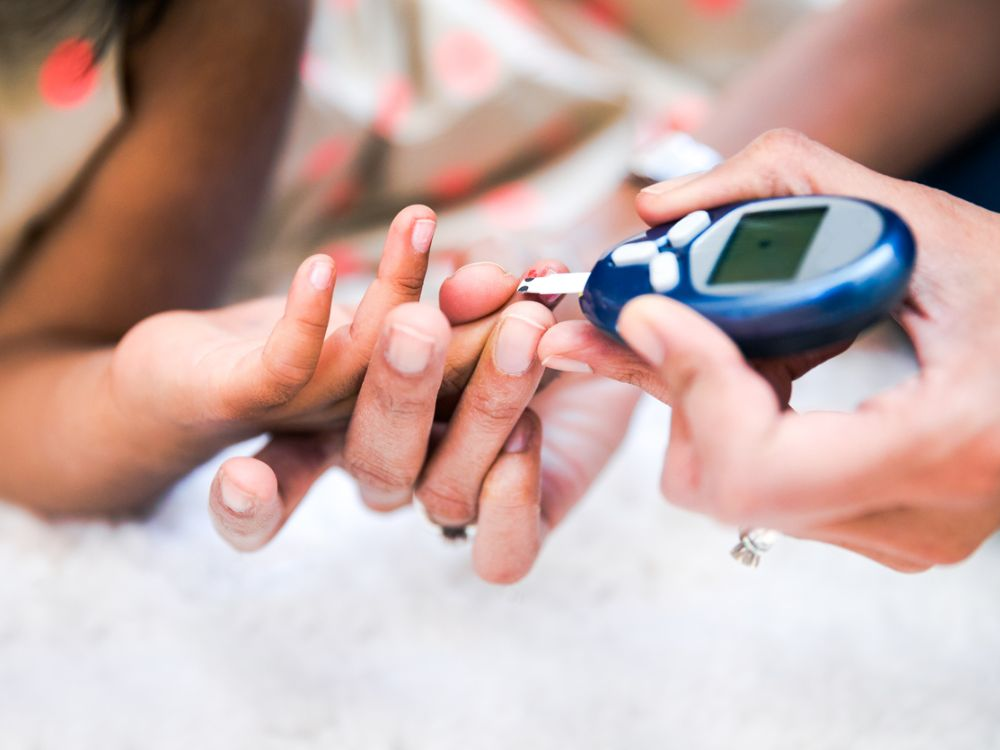
Abu Dhabi AI diabetes prediction: Abu Dhabi is turning the tide in diabetes care by using artificial intelligence to predict who is at risk before the disease takes hold. The Abu Dhabi AI diabetes prediction initiatives, led by government health authorities and digital health platforms, are designed to enable early detection, targeted intervention, and ultimately reduce the burden of chronic disease. These systems use large-scale clinical data, machine learning models, and public health screening efforts to identify high-risk individuals for type 2 diabetes and pre-diabetes.
Abu Dhabi AI diabetes prediction key Projects
One of the central tools in Abu Dhabi AI diabetes prediction is the Malaffi Patient Risk Profile, developed by the Department of Health Abu Dhabi in collaboration with Malaffi, the emirate’s Health Information Exchange (HIE). Medical records from over 7 million patients, collected across more than 2,000 public and private healthcare facilities, are analyzed using AI/ML algorithms to estimate risk scores for chronic conditions including diabetes. Factors considered include lab results, diagnosable conditions, demographic data, and (soon) medication history. This enables doctors to see who is most likely to develop diabetes or suffer its complications.
Another important component is Dubai’s initiative via the EJADA AI system, which has begun monitoring care data to identify people most susceptible to diabetes risks both those already diagnosed and those close to developing the disease. This kind of pre-emptive identification is hoped to lessen long-term treatment costs and prevent complications.
In addition, large-scale screening campaigns in the UAE have identified thousands of people with pre-diabetes using HbA1c blood tests. In one 100-day program, over 12,000 people were screened; more than 1,100 were found to have pre-diabetes, which allows for early lifestyle interventions. AI tools are expected to build on these data to predict who will benefit most from preventive measures.
How the Prediction Models Work
These AI systems combine multiple sources of data: demographics (age, gender), clinical history (existing conditions, lab values such as glucose/HbA1c), lifestyle or risk factors where available, and population-level insights drawn from thousands or millions of patient records. The model outputs are risk scores—quantitative estimates of the probability an individual will develop diabetes (or a complication) in a given time period.
In Malaffi’s case, patient risk profiles flag several chronic diseases including diabetes, enabling clinicians to take preventive actions and adjust patient management early. AI-based tools also facilitate personalized care: for someone identified at higher risk, doctors may recommend lifestyle modifications, closer monitoring, earlier lab tests, or even early medical treatment. This shifts the healthcare model from reactive to preventive.
Benefits, Challenges & What’s Needed
Benefits
- Early detection means pre-diabetes or diabetes can be managed before complications arise.
- Reduced healthcare costs because less severe interventions are cheaper than treating advanced disease or complications. Dubai’s EJADA tool is expected to reduce financial burdens by 25-30% for diabetes patients via prevention.
- Better patient outcomes, fewer hospitalizations, better quality of life. AI can also help in monitoring glucose via wearables and predicting dangerous spikes or drops in blood sugar.
Challenges
- Data privacy & security: Using health records from millions of patients must be carefully managed. Systems like Malaffi operate under strict privacy standards.
- Accuracy & bias: Models must be validated; risk that certain demographic groups are underrepresented or that models over-predict or under-predict risk.
- Integration with care: Predicting risk doesn’t help unless there are follow-up services: dietitians, lifestyle support, medical intervention, public awareness.
- Public awareness & compliance: Even if someone is flagged as high-risk, adopting lifestyle change is hard; public health education is essential.
What It Means for UAE Residents & the Healthcare System
For someone living in Abu Dhabi or elsewhere in the UAE, Abu Dhabi AI diabetes prediction means you might get care that’s more proactive. At routine checkups, doctors could use risk profiles to advise you even if you are not yet diabetic. Lifestyle counselling, earlier screenings, diet and exercise plans, even telehealth support might become more common.
For the healthcare system, this marks a shift toward value-based care. Instead of treating disease after it becomes serious, the priority is preventing disease. This helps reduce long-term costs, strain on hospitals, and improves public health outcomes. Also, as AI prediction tools improve, UAE is positioning itself as a regional leader in digital health innovation. These tools can serve as models for other countries facing high burdens of diabetes.
Visit Department of Health & Malaffi: AI-based Patient Risk Profile to Predict Future Disease Risk (including diabetes) in Abu Dhabi.
Conclusion
The Abu Dhabi AI diabetes prediction efforts represent a hopeful and powerful strategy against one of the UAE’s major health challenges. By leveraging big data, AI, and large-scale population screening, the Emirate is moving toward earlier detection, better patient care, and ultimately, fewer people suffering from complications of diabetes.
While technology alone isn’t enough lifestyle, awareness, follow-through matter, these innovations offer a critical tool. For residents, the message is clear: regular health checkups, knowing your risk, embracing preventive habits, and leveraging new digital health tools when available. If you want, I can also pull together a visual infographic or checklist summarizing risk-factors & what steps individuals can take now.
Follow UAE Explores for more Ai & Health Updates.