Abu Dhabi Self-Driving Street-Cleaning Fleet Rolls Out in 2025
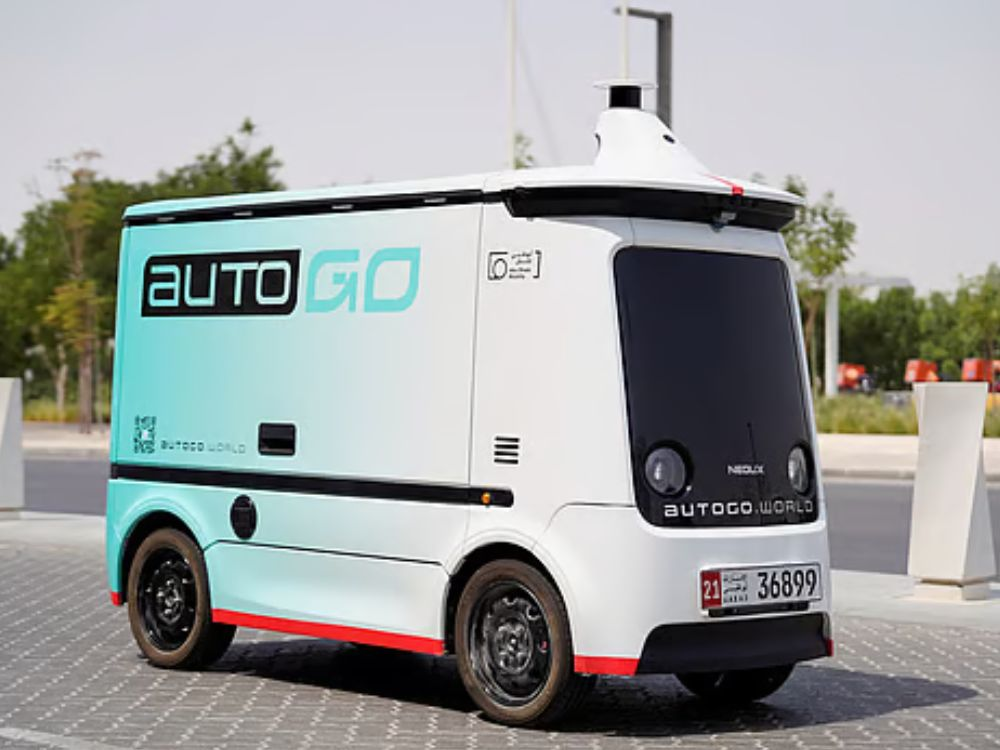
Abu Dhabi Self-Driving Street-Cleaning Fleet: The city of Abu Dhabi is taking its public-services infrastructure into the future with the deployment of a new self-driving street-cleaning fleet along the Corniche and select urban pedestrian zones. The Integrated Transport Centre (ITC), under the umbrella of the Department of Municipalities and Transport (DMT), officially launched these driverless Robosweeper vehicles in October 2025, positioning the capital as a leader in integrating robotics into city-care services.
The initiative underscores Abu Dhabi’s ambition not only to boost operational efficiency and public hygiene, but also to reduce reliance on manual labour, improve sustainability and support the emirate’s smart city roadmap.
How the Fleet Works and What Makes It Special
The Abu Dhabi self-driving street-cleaning fleet comprises autonomous cleaning vehicles branded as “Robosweepers” developed by a subsidiary of the tech firm K2 (Autogo), in coordination with the Smart and Autonomous Systems Council. These vehicles operate along programmed routes—pavements, public squares, pedestrian areas and promenades—without direct human drivers. They incorporate sensors, navigation technology and autonomous control to detect, sweep and sanitise urban surfaces.
By using pre-set routes and automation, the fleet can deliver more consistent cleaning, reduce human error, manage labour costs, and collect data about urban cleanliness and usage patterns. It also aligns with sustainability goals by reducing fuel and labour demands compared to traditional manual fleets.
Why It Matters for Abu Dhabi
Deploying a driverless cleaning fleet is more than a novelty, it has multiple significant implications:
- Urban efficiency: The fleet helps ensure the Corniche and other high-traffic public zones remain pristine and well-maintained, especially with high visitor volumes and daily usage.
- Sustainable operations: Automation allows for more targeted servicing, fewer idle hours, reduced manpower requirements and potentially lower emissions—which ties into Abu Dhabi’s environmental and quality-of-life objectives.
- Smart city leadership: This move reinforces Abu Dhabi’s goal of being a global model for intelligent urban services, integrating robotics into everyday public infrastructure, not just mobility or transport. Officials described the initiative as a step toward “future cities” and “operational excellence”.
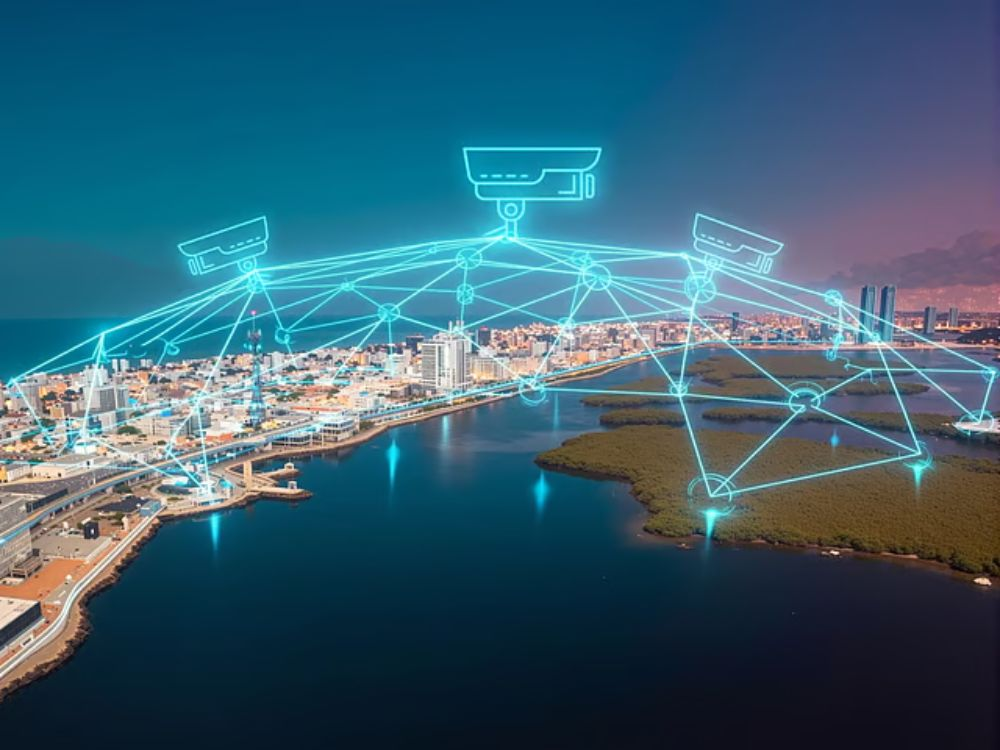
- Data-driven services: With sensor-equipped cleaning vehicles, municipal authorities can gather insights on usage patterns, high-traffic zones, waste accumulation and cleaning schedules—allowing services to be optimized and resources allocated based on real-time data.
Challenges and Considerations
While promising, the roll-out of the Abu Dhabi self-driving street-cleaning fleet also presents practical challenges:
- Technical reliability: Ensuring the Robosweepers perform safely around pedestrians, vehicles and changing weather conditions demands robust software, testing and backup systems.
- Public acceptance and safety: Residents and visitors must feel confident in sharing public space with autonomous machines—communications, signage and trials help build that trust.
- Labour transition: As manual cleaning roles are reduced or re-tasked, authorities must manage workforce transition, skill development and ensure service continuity.
- Maintenance and infrastructure: The autonomous vehicles require supportive infrastructure—mapping, sensors, charging or fuel supply, maintenance hubs and oversight. Scaling beyond pilot zones adds complexity.
What’s Next for the Fleet?
The initial launch along the Corniche serves as a pilot and proof-of-concept for the Abu Dhabi self-driving street-cleaning fleet. Over time, the program is expected to expand to other districts, pedestrian zones, shorelines and possibly integrate into broader “smart city cleaning networks” across the emirate.
Future stages may include:
- Deployment in suburban and community zones beyond the prime Corniche location.
- Integration with smart waste-management systems that coordinate sweeping, rubbish collection and recycling.
- More data analytics dashboards for municipal monitoring and performance metrics.
- Linking with other autonomous service fleets (for example, cleaning plus security patrols or maintenance robots) to create a unified urban-service network.
The initiative is part of the wider smart infrastructure push in Abu Dhabi joining autonomous taxis, smart traffic systems and zero-emission service vehicles in the capital’s evolution.
Read More: Integrated Transport Centre launches autonomous cleaning vehicles on Abu Dhabi Corniche – Abu Dhabi Media Office
Self-driving Street-cleaning Fleet Conclusion
The launch of the Abu Dhabi self-driving street-cleaning fleet signals a bold step toward a smarter, cleaner and more autonomous capital city. With Robosweepers navigating public zones without human drivers, the initiative combines innovation, efficiency and sustainability in everyday service delivery.
By embracing this technology, Abu Dhabi is not just improving its cleanliness—it is redefining how cities manage infrastructure and serve their communities. For residents, visitors and policymakers alike, the message is clear: the future of urban service is intelligent, data-driven and autonomous.
Follow UAE Explores for more Technology News & Updates.