Dubai Autonomous Uber Rides: The Future of Smart Urban Travel
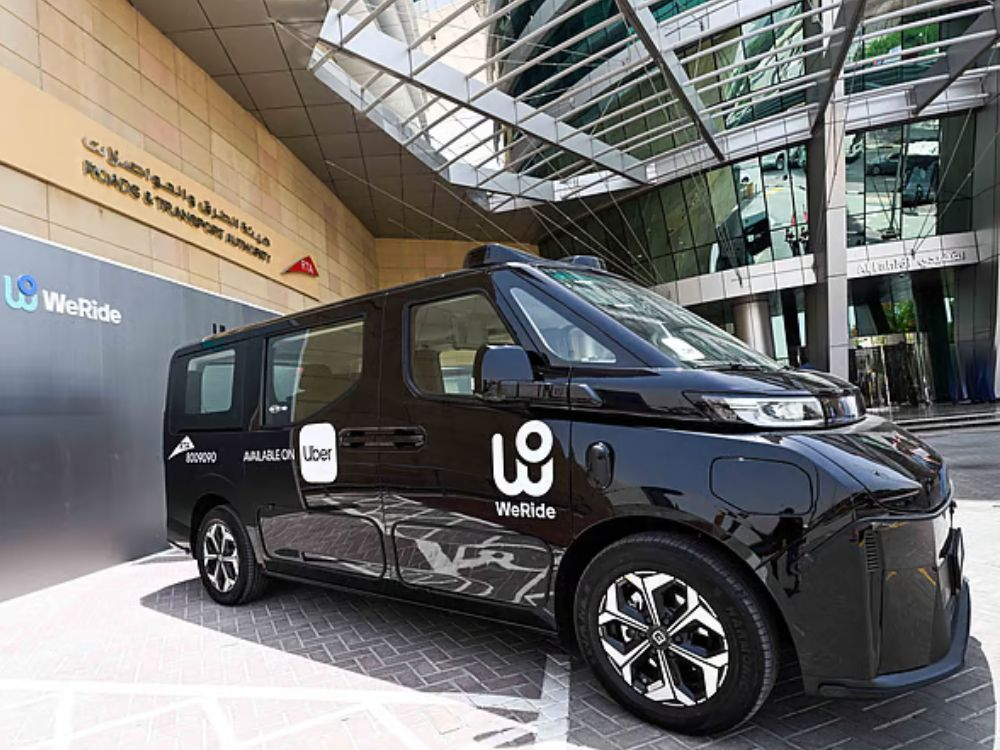
Dubai Autonomous Uber Rides: Dubai’s vision for a smart, sustainable, and technologically advanced city continues to take bold steps forward and the introduction of Dubai autonomous Uber rides marks one of the most exciting milestones yet. Blending cutting-edge autonomous vehicle technology with ride-hailing convenience, this initiative positions Dubai as a global leader in future mobility solutions.
The era of self-driving cars was once something out of science fiction. Today, with the launch and testing of autonomous ride-hailing rides in Dubai, residents and visitors can look forward to a safer, more efficient, and more futuristic travel experience. The integration of Dubai autonomous Uber rides builds on Dubai’s broader goals for smart cities, sustainability, and reduced traffic congestion.
Additional official insights can be found at RTA and Uber Official Website.
What Are Dubai Autonomous Uber Rides?
Dubai autonomous Uber rides refer to self-driving vehicles that operate through the Uber network without a human driver. These vehicles use a mix of advanced sensors, artificial intelligence (AI), machine learning, and real-time mapping software to navigate Dubai’s roads safely.
- Unlike traditional ride-hailing, where a driver manually operates the vehicle, autonomous Uber rides rely on software and sensors to:
- Detect pedestrians and obstacles
- Follow traffic signals and road rules
- Adjust speed and routes dynamically
- Communicate with traffic infrastructure
- This technology aims to make urban travel more efficient, safer, and sustainable.
How Dubai Autonomous Uber Rides Work
The vehicles powering Dubai autonomous Uber rides combine several next-generation technologies:
Artificial Intelligence & Machine Learning
AI helps the vehicle make decisions quickly based on real-time data from cameras, lidar, radar, and GPS.
High-Definition Maps
Autonomous vehicles use detailed maps that provide street-level precision, essential for urban navigation.
Sensor Integration
A vehicle’s sensor suite detects nearby objects, enabling safe driving even in complex traffic conditions.
Connectivity & Cloud Support
Data from each ride feeds back into the system to continually improve efficiency and accuracy.
Together, these technologies allow Dubai autonomous Uber rides to operate reliably and adapt to varying road scenarios.
Benefits of Dubai Autonomous Uber Rides
The rollout of autonomous Uber rides contributes to Dubai’s ambitious transportation transformation. Here’s how:
Enhanced Safety
By minimizing human error, autonomous systems promise safer rides reducing accidents and enhancing road safety.
Reduced Traffic Congestion
Self-driving cars can travel more efficiently, using optimized routes and reducing bottlenecks in busy urban corridors.
Cost-Effective Mobility
Automated rides can reduce operational costs over time, lowering the price of rides for users.
Sustainability Boost
Many autonomous Uber vehicles are electric, reducing emissions and supporting Dubai’s climate goals.
Improved Accessibility
With self-driving rides available around the clock, residents can enjoy convenient door-to-door transport including first-mile and last-mile connectivity.
Dubai’s Leadership in Smart Mobility
The introduction of Dubai autonomous Uber rides aligns with the city’s broader strategic goals, including:
- Dubai Vision 2030
- Smart Dubai initiatives
- Dubai Future Accelerators
Dubai has already introduced autonomous taxis, buses, and pods in various pilot programs. Integrating autonomous ride-hailing through Uber adds another layer to the city’s evolving transport ecosystem.
Public authorities and private innovators are collaborating to ensure regulatory frameworks support safety, transparency, and ethical use of autonomous technology setting a global benchmark for urban mobility.
Pilot Programs and Real-World Testing
Before full commercial deployment, Dubai autonomous Uber rides undergo extensive pilot testing in controlled environments and selected urban zones. These trials help:
- Validate safety protocols
- Train AI models on real traffic patterns
- Collect data for regulatory compliance
- Improve customer experience
Passengers participating in pilot rides often provide feedback that Uber and Dubai’s transport authorities use to refine service features and safety mechanisms.
Where to Expect Dubai Autonomous Uber Rides First
Initial autonomous rides are expected in key hubs such as:
- Downtown Dubai
- Dubai Marina
- Business Bay
- DIFC
- Expo City Dubai
These areas have advanced infrastructure and high digital connectivity, making them ideal launch zones for autonomous ride services.
Residents are encouraged to check Uber updates and official Dubai Roads and Transport Authority (RTA) announcements for confirmed launch locations and timelines.
Future Outlook for Dubai Autonomous Uber Rides
As Dubai autonomous Uber rides evolve, we can expect:
- Broader citywide deployment
- Integration with public transit networks
- AI-powered route optimizations
- Electric autonomous fleets
- Personalized and subscription-based ride options
This future vision aligns with Dubai’s goal of reducing private car dependency and delivering a seamless, tech-integrated transportation landscape by 2030.
Safety & Regulations
The rollout of Dubai autonomous Uber rides is backed by rigorous safety and regulatory frameworks developed by the Dubai Roads and Transport Authority (RTA) and technology partners. Autonomous vehicles must meet strict cybersecurity, sensor redundancy, and emergency response standards to operate legally.
Regular audits, simulation testing, and fail-safe systems ensure that these rides are safe for public use reinforcing trust and user confidence in autonomous mobility.
Follow UAE Explores for more Transportation News & Updates.