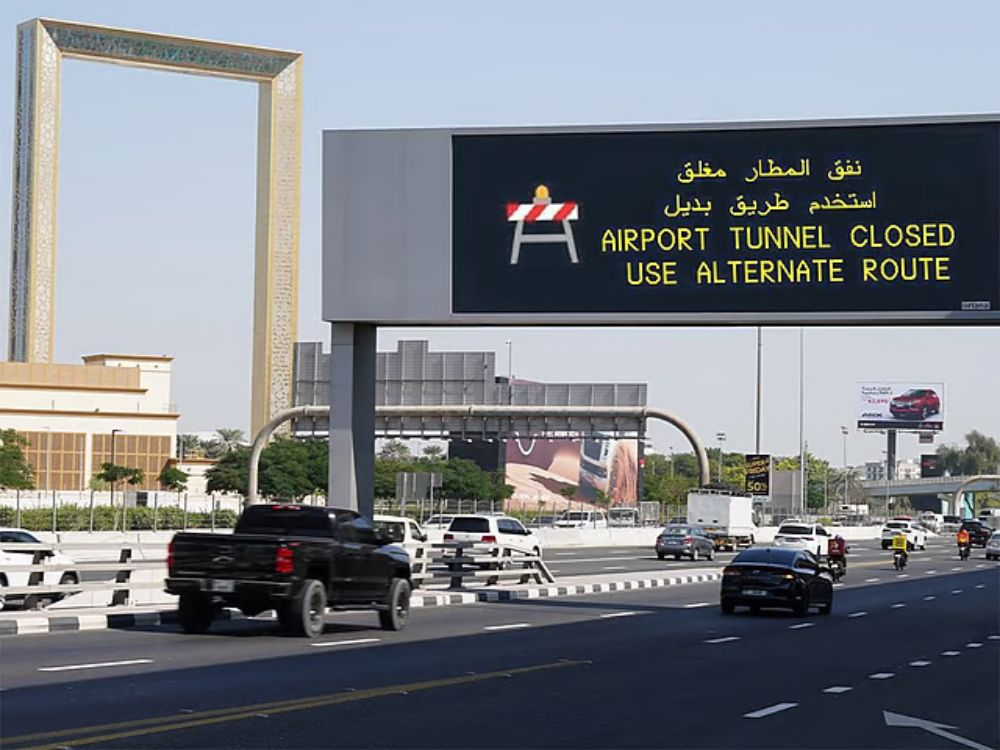
Dubai Flying Car Trials: Testing the Skies Above the City
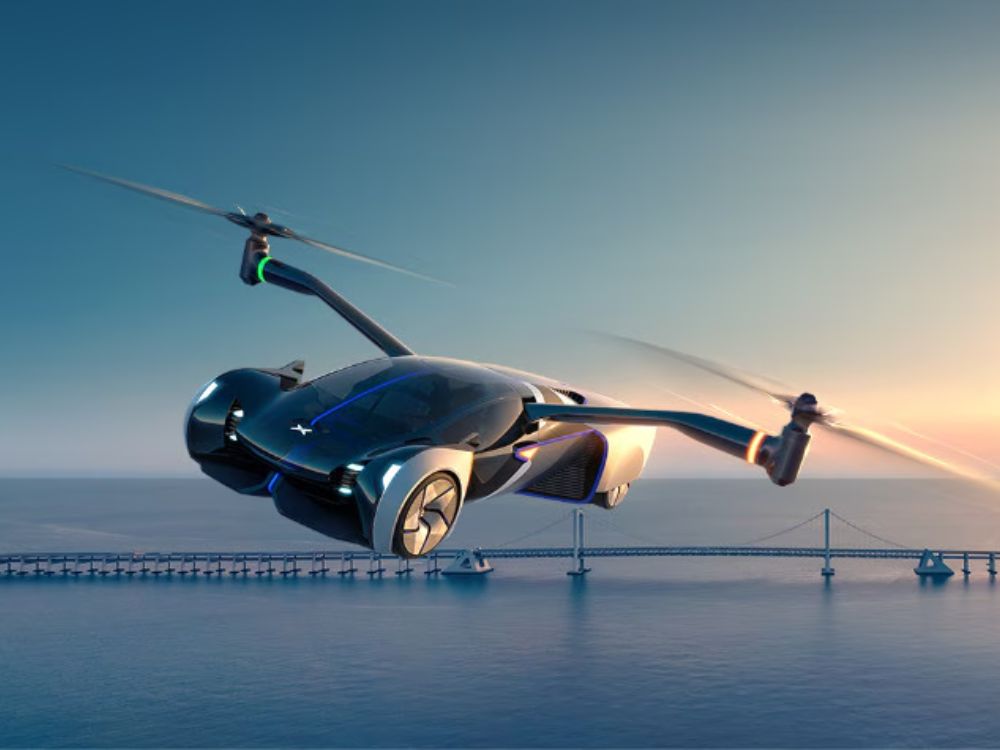
Dubai Flying Car Trials: Dubai is pushing into the skies. With traffic congestion worsening and sustainability high on the agenda, the emirate is investing heavily in Dubai flying car trials, part of a broader vision to bring electric vertical take-off and landing (eVTOL) vehicles into daily use. Multiple test flights, international partnerships, and regulatory frameworks are aligning to turn futuristic transport from concept into reality.
Key Projects Flying High
Some of the most promising developments in Dubai flying car trials include:
- XPeng’s X2 public test flight: One of the earliest high-profile trials was the X2 eVTOL flying car by Chinese manufacturer.
- XPeng: Its 90-second flight at Skydive Dubai showed a two-seater craft, capable of low-altitude and autonomous-aided flight, with a speed up to 130 km/h and zero carbon emissions in the air.
- PAL-V Liberty fly-drive vehicle: This is a hybrid car/gyroplane, road-legal and air-worthy. Unveiled at Sharjah Research, Technology & Innovation Park, it promises a 500-km flying range, requiring both a driving license and gyroplane license. It’s expected to enter use in the UAE by around 2027.
- Air-taxi trials (Joby Aviation & others): Dubai has initiated trials of electric air taxis. For example, Joby Aviation is planning to launch commercial air taxi service by early 2026. The ambition is to connect key locations such as Dubai International Airport, Palm Jumeirah, Downtown Dubai, and others with flying taxis, cutting travel times significantly.
Regulatory & Infrastructure Foundations
These trials don’t exist in isolation. They are supported by:
- Regulatory approvals and safety tests: Dubai’s Civil Aviation Authority, among other bodies, are part of approving test flights and the infrastructure (like vertiports) needed to support flying cars. The X2 test flight was co-organized with these authorities.
- Vertiport planning: For air-taxi services, vertical take-off and landing pads (“vertiports”) are required. These are being mapped out. Joby Aviation’s agreement includes using multiple vertiports.
- Public-private partnerships: Companies like XPeng, Joby Aviation, PAL-V, and local government authorities are cooperating to test, certify, and eventually roll out services. These partnerships help navigate legal, environmental, safety, and operational challenges.
Challenges & Considerations
While progress is impressive, there are several hurdles in making Dubai flying car trials become a daily reality:
- Safety & certification: Flying cars must meet rigorous safety standards, from flight stability to emergency landings. Certification for air travel is more stringent than for cars.
- Infrastructure: Vertiports, charging stations (if electric), air traffic control in low-altitude airspace, noise and environmental impacts all need careful planning.
- Cost: Early models are expensive both to produce and to operate. PAL-V Liberty, for instance, is priced in the higher range. Ticketing for air taxi rides might be premium initially.
- Regulation & airspace management: Drone traffic, existing air routes, and emergency services will need integration with new flying modes. Laws need to clarify where flying cars can fly, under what conditions, and who is responsible in case of malfunction.
What This Means for Residents & Future Outlook
For people in Dubai, the Dubai flying car trials mean potential benefits:
- Much faster commutes on certain routes (airport↔Palm Jumeirah, Marina, etc.
- Less time stuck in traffic, especially in growing urban corridors.
- New mobility choices skies become part of transport networks, not just roads and tunnels.
In terms of timeline, we can expect:
- Commercial air taxi services possibly by 2026.
- Fly-drive options like PAL-V around 2027.
- Gradual scaling: initial routes will focus on specific high-demand segments; pricing will likely start premium then move toward broader adoption.
Read More
Reuters / Joby Aviation report: Dubai aims to beat the traffic with 2026 Joby air taxi liftoff.
Conclusion
The Dubai flying car trials are more than tech shows they’re concrete steps toward transforming mobility. Between XPeng’s X2 test flights, PAL-V’s fly-drive vehicle, and Joby’s air taxi trials, the skies over Dubai may soon be as busy as its roads. For commuters, visitors, and city planners, that means rethinking travel time, infrastructure, and what’s possible when the city rises above its traffic.
If you want, I can draft a version of this with estimated costs, route maps, or interviews with people who tried the X2 or other prototypes.
Follow UAE Explores for more Transportation News & Updates.