
Dubai Municipality QR Code Scam Warning: What You Need to Know
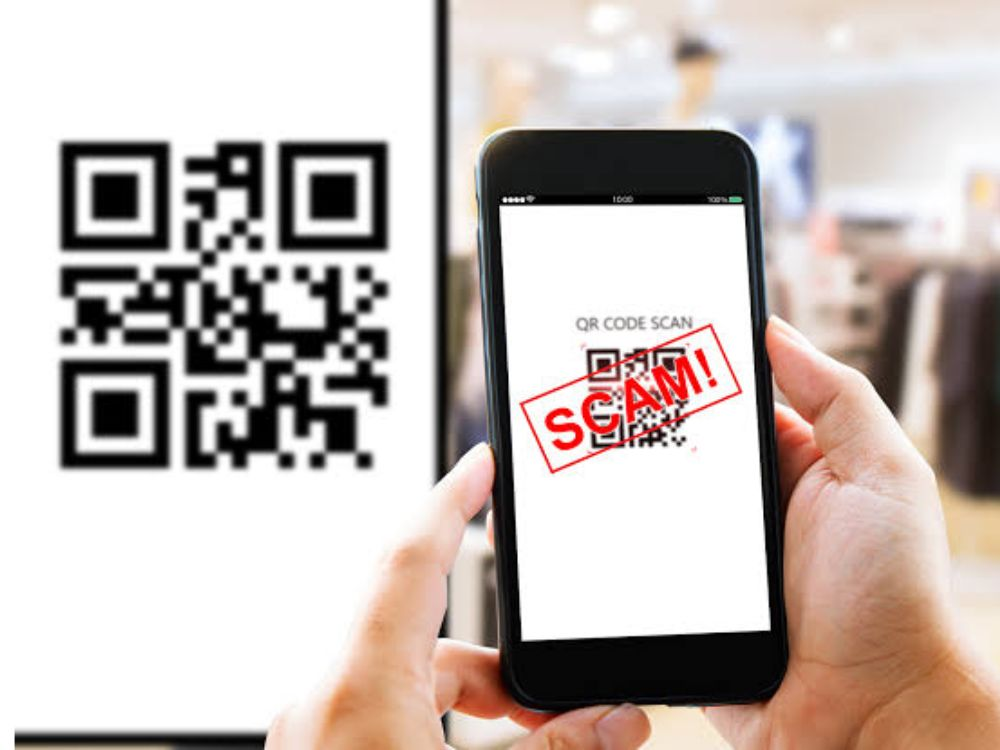
QR Code Scam Warning: Dubai Municipality has issued a serious warning to the public about the rise of QR code scam incidents. These warnings come after multiple cases where unverified or tampered QR codes have been used by fraudsters to steal personal information, such as bank details, passwords, and identity documents. The municipality released a public awareness video via its official platforms, urging residents to exercise caution and follow safe practices whenever they encounter QR codes, especially in public settings. The campaign aims to promote cybersecurity awareness and protect residents from financial fraud. Dubai Municipality advises using official websites and reporting suspicious QR codes immediately to ensure online safety across the emirate.
How These Scams Work & Why They’re Dangerous
Fraudsters have begun placing fake QR codes in places such as:
- Walls, notice boards, or public displays
- Public parks or restrooms
- Temporary signage or stickers placed over legitimate codes
When scanned, these codes redirect users to phishing sites that mimic trusted services, often asking for login, card, or identity data. In some cases, QR codes also initiate downloads of malicious apps or install malware. Users have reported consequences like compromised bank credentials and identity theft.
What Dubai Municipality Recommends
To protect yourself, Dubai Municipality has shared several QR code scam warning. Here are key safety checks:
- Only enter financial or personal information on sites that are secure look for “https://” at the beginning of the URL.
- Verify the source of the QR code. If it’s placed in a public space, check for any official sign, or confirm with the service provider. Avoid scanning codes from unknown posters or stickers without legitimacy.
- Avoid codes in public places unless you trust them. QR codes displayed without identifying logos or credentials are especially risky.
- These warnings are part of a broader initiative to enhance digital awareness in the UAE and reduce cyber fraud that exploits these emerging technologies.
How to Spot a Suspicious QR Code
Here are QR code scam warning signs the municipality has highlighted:
- QR codes that appear made with stickers or overlays placed over existing codes.
- URLs with misspellings, strange domain names, or not using “https://”.
- Codes that ask for more information than expected (e.g. password, bank details) immediately after scanning.
What You Should Do If You Suspect a QR Code Scam
If you scan a code and suspect something is wrong, or if you’ve already interacted with a suspicious link, do the following:
- Do not enter any sensitive information.
- Close the tab or app immediately.
- Run a malware scan on your device if you suspect something was installed.
- Change any passwords that might have been exposed.
- Report the QR code or site to Dubai Municipality or to UAE’s Cybersecurity Council via official channels.
Official Sources
Gulf News: Dubai Municipality warns against scanning unverified QR codes
Khaleej Times: UAE: QR codes can put you at risk; how to protect sensitive information
Gulf News: UAE cyber alert: Rising QR code scams target personal data
QR code scam warning Matters & Next Steps
The increasing use of QR codes on menus, ads, public info boards has made this type of digital scam more practical for fraudsters. Because QR codes are so convenient, many people scan them without checking, giving scammers an opportunity to exploit that trust. Dubai Municipality’s warning serves as a reminder: convenience can come with hidden risk.
Going forward, being digital-aware isn’t optional. Make it a habit:
- Always check URLs after scanning.
- Use trusted scanning apps that preview links before opening.
- Monitor devices for unusual activity.
- Spread awareness among family and friends, especially those less familiar with cybersecurity.
- Stay safe, stay vigilant.
Follow UAE Explores for more News & Updates.