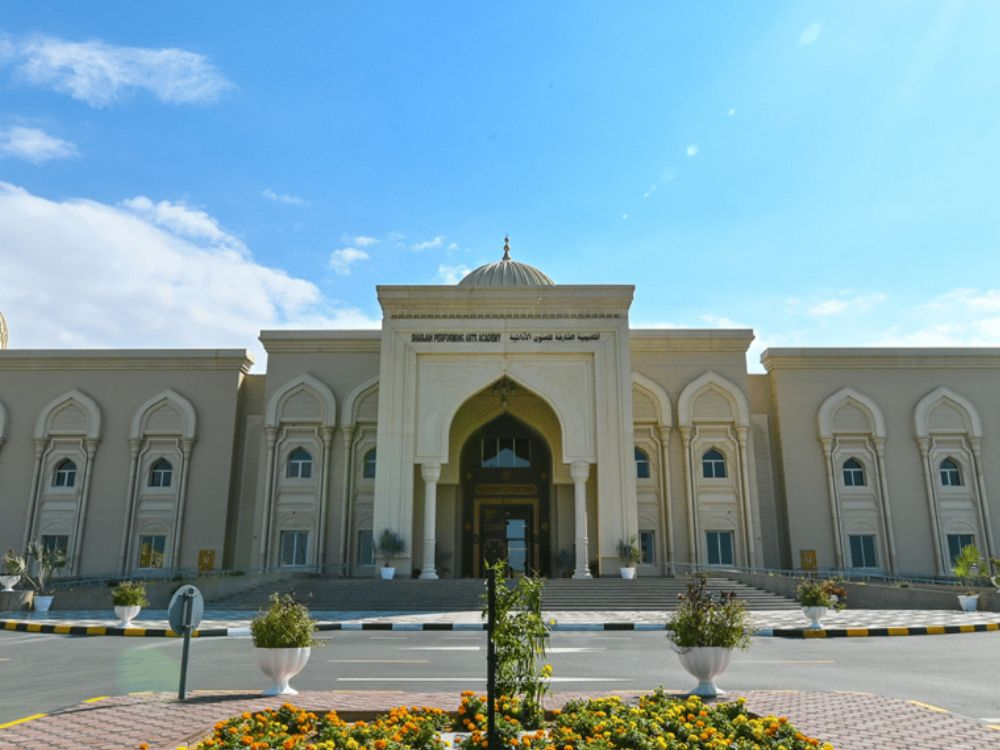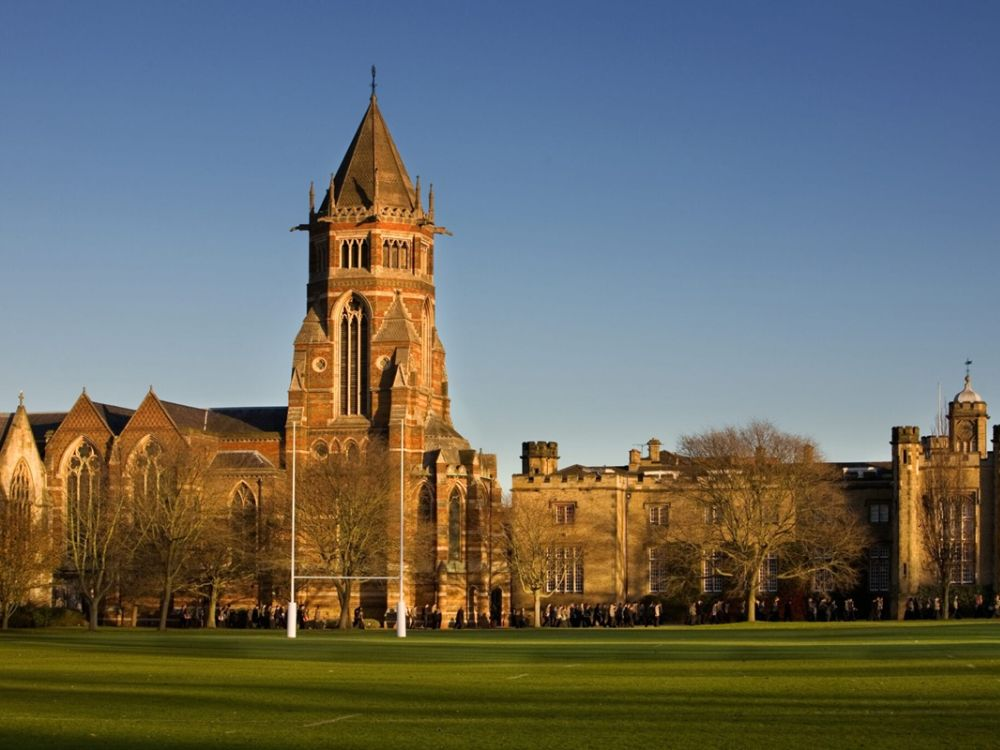
Dubai to Build 60 New Affordable Schools by 2033: A Game‑Changer for Access to Education
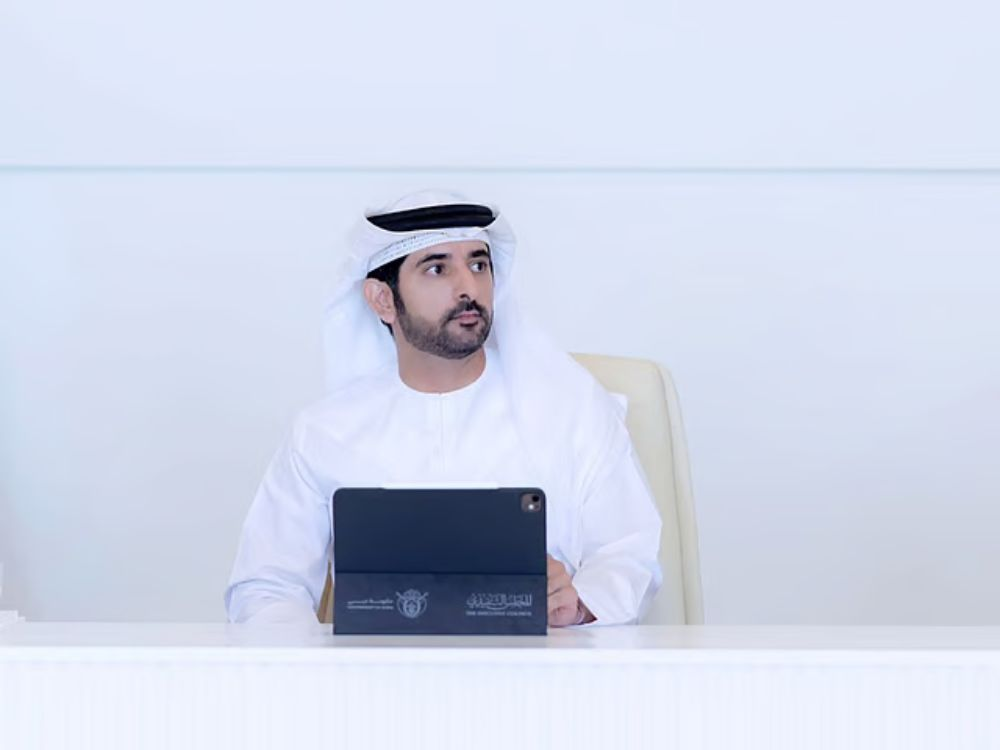
Dubai to Build 60 New Affordable Schools by 2033: Dubai has announced an ambitious policy to build 60 new affordable schools by 2033, adding around 120,000 student seats across the emirate. The initiative forms a key part of the newly approved Policy to Expand and Promote Affordable High‑Quality Schools and supports the broader Dubai Education Strategy 2033, aiming to position Dubai among the world’s top 10 cities for education quality.
Why This Matters
The plan of Dubai to build 60 new affordable schools by 2033 comes amid rapid population growth in Dubai, rising demand for private schooling, and growing concerns over tuition costs faced by many families. The initiative is an effort to widen access, reduce fee burdens and deliver quality education across all segments of society.
By making education more affordable and inclusive, the emirate is reinforcing its social agenda and addressing a key pillar of sustainable urban growth: equitable access to learning.
Key Elements of the Policy to Build 60 New Affordable Schools by 2033
Vision & Scale: Establish approx. 60 new private‑sector affordable schools by 2033, creating ~120,000 new student places averaging around 2,000 seats per school. This expansion supports Dubai’s ambition to become a global hub for education excellence under the Dubai Education Strategy 2033.
Incentives for Investors: To encourage private‑sector participation in building affordable schools, the policy offers reduced government fees and lower land‑leasing costs for operators in approved locations. Schools approved under the policy must commit to high standards of quality while offering lower fees, aligning affordability with excellence.
Focus on Affordability and Quality: The phrase “affordable schools” emphasises not a compromise in education quality, but rather accessibility. The Knowledge and Human Development Authority (KHDA) reiterates that high standards will be maintained. Affordability also means factoring in overall cost to families including transport, uniforms and materials not just tuition fees.
Impact for Families, Residents and the Education Sector
For Families: With plans to build 60 new affordable schools by 2033, parents can expect more options in terms of location, fee levels and quality. The addition of 120,000 places signals relief for those worried about capacity pressures and fee escalation.
For the Education Market: Private‑school operators are being encouraged to participate in building this new supply of affordable schools. With financial incentives in place, the strategy opens opportunities for growth in mid‑cost education segments rather than just high‑fee premium institutions.
For Dubai’s Positioning: By committing to this scaled‑up infrastructure, Dubai is aligning education capacity with its long‑term growth projections, supporting its status as a global city of opportunity and placing education at the heart of its liveability credentials.
Timeline & Roll‑Out Considerations
- With a target of 2033, the policy provides an ~8‑year horizon (from 2025) to build the 60 schools and deliver the 120,000 seats.
- On average, this will require around 7–8 new affordable schools to open annually.
- Operators and investors will need to secure sites, align with curricula and establish sustainable business models that deliver affordability without compromising quality.
- Ensuring distribution across different regions of Dubai, so that affordable schools serve diverse communities, will be key to the policy’s success.
Challenges and Success Factors
Challenges
- Balancing cost‑constraints with maintaining high educational standards and adequate facilities.
- Recruiting and retaining quality teaching staff while operating within affordability constraints.
- Aligning with demand across residential areas to ensure accessibility for families.
- Maintaining affordability without creating a secondary tier of lesser‑quality schools.
Success Factors
- Effective incentives for investors and operators to commit to low‑fee models.
- Robust regulatory oversight by KHDA to maintain quality and accountability.
- Active monitoring and evaluation of fee levels, access and outcomes.
- Engaging communities and parents in selecting locations and models to serve local needs.
Official Outbound Links
Gulf News – Dubai expands affordable schools to make quality education accessible to all
The National – Dubai to build 60 affordable schools to serve 120,000 pupils by 2033
Dubai to build 60 new affordable schools by 2033:
Looking Ahead
The commitment to build 60 new affordable schools by 2033 reflects Dubai’s holistic approach to education and city planning. It underscores the notion that quality education should be accessible to all families, not just at the premium end of the market.
As Dubai continues to grow its population and diversify its mix of residents, this policy sends a strong message: learning and development are fundamental to future success and equity. Over the coming years, the new schools will play an integral role in shaping tomorrow’s workforce, communities and opportunities. For parents, students and educators alike, the road to 2033 holds promise: more seats, more choice, lower cost and maintained quality. The success of this policy will be measured not only in numbers, 60 schools and 120,000 seats but in the lives it touches, the futures it enables and the accessibility it secures.
Follow UAE Explores for more Education News & Updates.