RTA and Parkin Address QR Code Scam: Dubai Authorities Warn Motorists and Residents
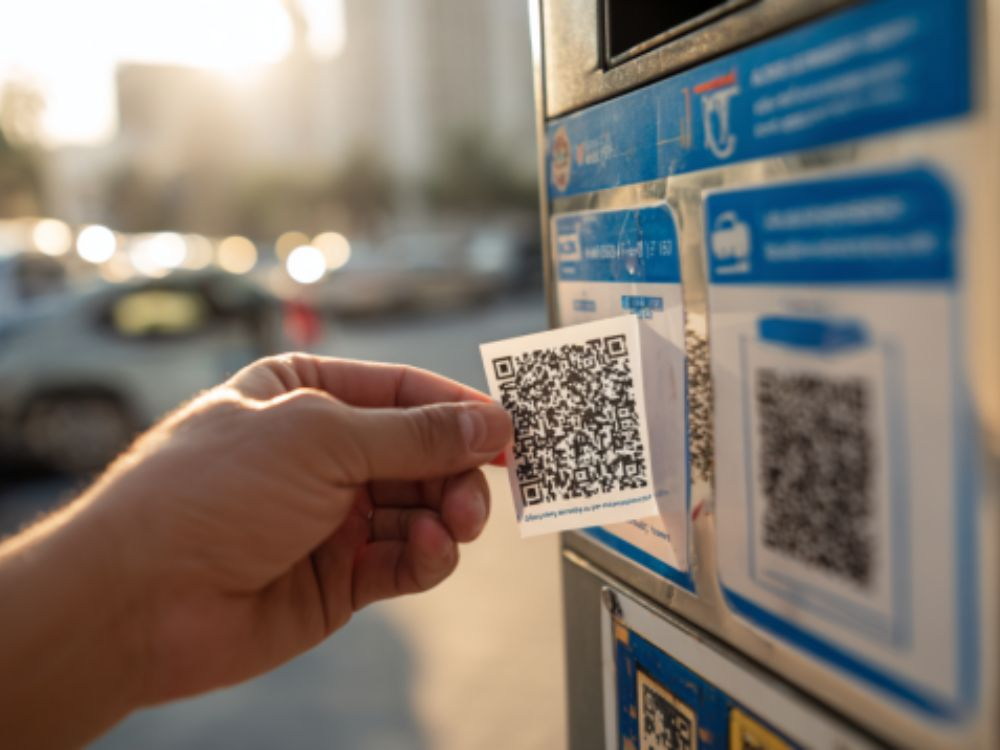
RTA and Parkin QR code Scam: Dubai’s Roads and Transport Authority (RTA) and parking operator Parkin have issued a strong warning after detecting a rise in the RTA and Parkin QR code scam, which targets motorists and residents across the city. Fraudsters are placing fake QR code stickers on parking meters and public signage, tricking users into scanning malicious links that can steal personal and financial information.
The RTA and Parkin QR code scam exploits the growing reliance on contactless payments and QR-based services. Many drivers, attempting to pay parking fees quickly, scan these fake codes believing they are official. Once scanned, users are redirected to fraudulent websites that closely resemble legitimate RTA or Parkin payment pages, prompting them to enter card details, phone numbers, or Emirates ID information.
How the RTA and Parkin QR Code Scam Works
Authorities have clarified that RTA and Parkin do not require drivers to scan random QR codes on street parking meters to make payments. Official parking payments are made only through verified channels such as the Parkin app, RTA Dubai Drive app, SMS parking service, official websites, or authorized digital platforms. Any QR code found pasted on meters or signboards should be treated with suspicion.
According to officials, the RTA and Parkin QR code scam is particularly dangerous because it relies on visual deception. Fake stickers often look professional and include official logos, colors, and wording similar to genuine branding. In busy areas, drivers may not notice that the QR code has been tampered with, increasing the risk of falling victim to the scam.
RTA and Parkin have urged residents to immediately report any suspicious QR codes found on parking machines or public infrastructure. Reports can be made through official RTA customer service channels or Parkin’s support platforms. Once reported, inspection teams are dispatched to remove fraudulent stickers and investigate the source.
Cybersecurity experts warn that scanning unverified QR codes can expose users to more than just financial loss. In some cases, malicious links may install spyware on mobile devices, giving scammers access to saved passwords, banking apps, and personal data. This makes the RTA and Parkin QR code scam a broader digital security threat rather than a simple payment fraud.
To protect themselves, residents are advised to always use official apps downloaded from trusted app stores, double-check website URLs before entering any payment information, and avoid scanning QR codes from unknown or unsecured locations. If payment details have already been entered on a suspicious site, users should immediately contact their bank, block their card, and report the incident to authorities.
Dubai Police have also reminded the public that scammers often adapt quickly to new technologies. As smart services expand, public awareness remains one of the most effective defenses against fraud. The RTA and Parkin QR code scam serves as a reminder that convenience should never come at the cost of security.
Conclusion: RTA and Parkin QR Code Scam
In conclusion, the RTA and Parkin QR code scam highlights the importance of digital vigilance in an increasingly cashless city. While Dubai continues to lead in smart mobility and digital services, authorities stress that official payment methods remain clearly defined and secure. By staying informed, reporting suspicious activity, and using only verified platforms, residents can help prevent scams and protect themselves from financial and data theft.
Follow UAE Explores for more Transportation related News & Updates.