UAE Government Annual Meetings: A Comprehensive Look at the Nation’s Unified Future Agenda
UAE Government Meetings 2025: Every year, the UAE Government Meetings bring together federal and local government leaders from all seven emirates to shape the nation’s long-term direction. The 2025 edition of this landmark gathering once again demonstrated the UAE’s commitment to strategic planning, coordinated development, and future-ready governance. Overseen by the UAE’s national leadership, these meetings act as the country’s most important platform for aligning policies, goals, and innovation priorities. The UAE Government Meetings serve not just as an administrative event but as a national movement, one that defines how the nation will progress over the next decade.
A Unified Platform for National Priorities
The UAE Government Meetings play a crucial role in synchronizing federal and local efforts to ensure that every emirate advances toward shared development objectives. The agenda typically focuses on economic diversification, future technologies, sustainability, education, healthcare, and social wellbeing. Each discussion is built on data-driven insights, allowing ministries and local authorities to adopt policies that benefit citizens, residents, and businesses.
One of the core themes of the 2025 meetings was enhancing the UAE’s position as a global innovation powerhouse. Leaders reviewed milestones from previous years and introduced new initiatives to accelerate research, digital transformation, and future industries. This commitment aligns with the UAE’s focus on long-term competitiveness and resilience.
Future Economies and Innovation at the Centre
A major highlight of the UAE Government Meetings was the emphasis on future economies. With global markets rapidly evolving, the UAE is continuously investing in knowledge sectors, technology-driven solutions, and sustainable industries. Discussions covered the expansion of advanced manufacturing, AI integration, green energy projects, and smart infrastructure.
The meetings also provided updates on existing national strategies such as the UAE Net Zero 2050 plan, the Advanced Industries Agenda, and the Digital Economy Strategy. New proposals were introduced to boost startups, support entrepreneurship, and attract global talent further positioning the UAE as one of the world’s most future-ready economies.
A Focus on Human Development and Social Wellbeing
While economic growth remains essential, the UAE Government Meetings also prioritize people-centric development. Leaders discussed enhanced social support systems, health improvements, and community welfare programs. A notable portion of the discussions focused on empowering families, improving public health outcomes, and expanding educational opportunities for Emirati youth.
Education officials highlighted the need for modern curricula, school reform, and future skills training to prepare students for tomorrow’s job market. The UAE’s continuous push toward a knowledge-based society remains at the heart of these initiatives.
Strengthening National Identity and Community Engagement
Another vital theme of the UAE Government Meetings was reinforcing national identity and cultivating community participation. The UAE continues to invest in cultural preservation, heritage projects, and community programs that foster unity and shared values.
Leaders discussed the role of arts, cultural events, environmental stewardship, and volunteer programs in strengthening the fabric of society. These discussions reinforce the UAE’s mission to build a cohesive nation where every individual has access to opportunities for growth and contribution.
UAE Government Meetings Aims Sustainability and Climate Resilience
With climate concerns intensifying globally, sustainability remains a major point of focus in the UAE Government Meetings. Federal and local leaders reviewed national climate adaptation strategies, environmental protection programs, and nature conservation efforts.
Key topics included:
- Expanding green energy adoption
- Building climate-resilient infrastructure
- Enhancing water and food security
- Strengthening waste management and circular economy systems
The goal is to ensure that the UAE remains both environmentally responsible and economically competitive while protecting natural ecosystems and future generations.
Strengthening Government Services and Digital Transformation
The UAE is internationally recognised for its leadership in government digital services. During the UAE Government Meetings, ministers reviewed the progress of smart service transformation and introduced new programs to improve efficiency.
Enhancements include:
- AI-powered government interfaces
- One-stop smart platforms for citizens and residents
- Faster processing of licenses, permits, and documents
- Improved data integration to increase accuracy and transparency
These steps reaffirm the UAE’s goal of becoming one of the world’s most advanced digital governments.
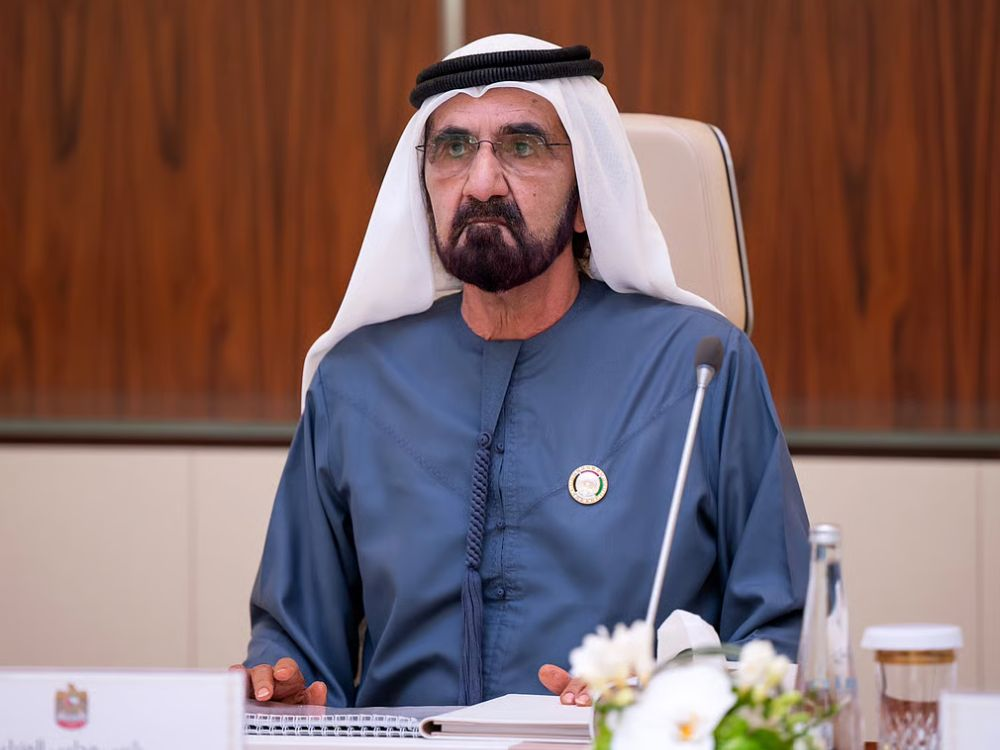
“Mohammed bin Rashid attends final day of UAE Government Annual Meetings” — Government of Dubai Media Office
A Vision Rooted in Collaboration and Unity
The strength of the UAE Government Meetings lies in the shared commitment of federal and local leaders working as one team. The collaborative approach ensures that each emirate’s unique needs are addressed and integrated into the national roadmap. The meetings serve as a reminder that progress in the UAE is built through unity, cooperation, and long-term vision.
As the 2025 meetings concluded, the message was clear: the UAE remains firmly dedicated to building a sustainable, resilient, and prosperous future. Through innovation, strategic planning, and people-first policies, the nation continues to set global benchmarks for progress.
Follow UAE Explores for more News & Updates.